


Designing The Telehealth solution, Klnk
Why Telehealth, Why Now?
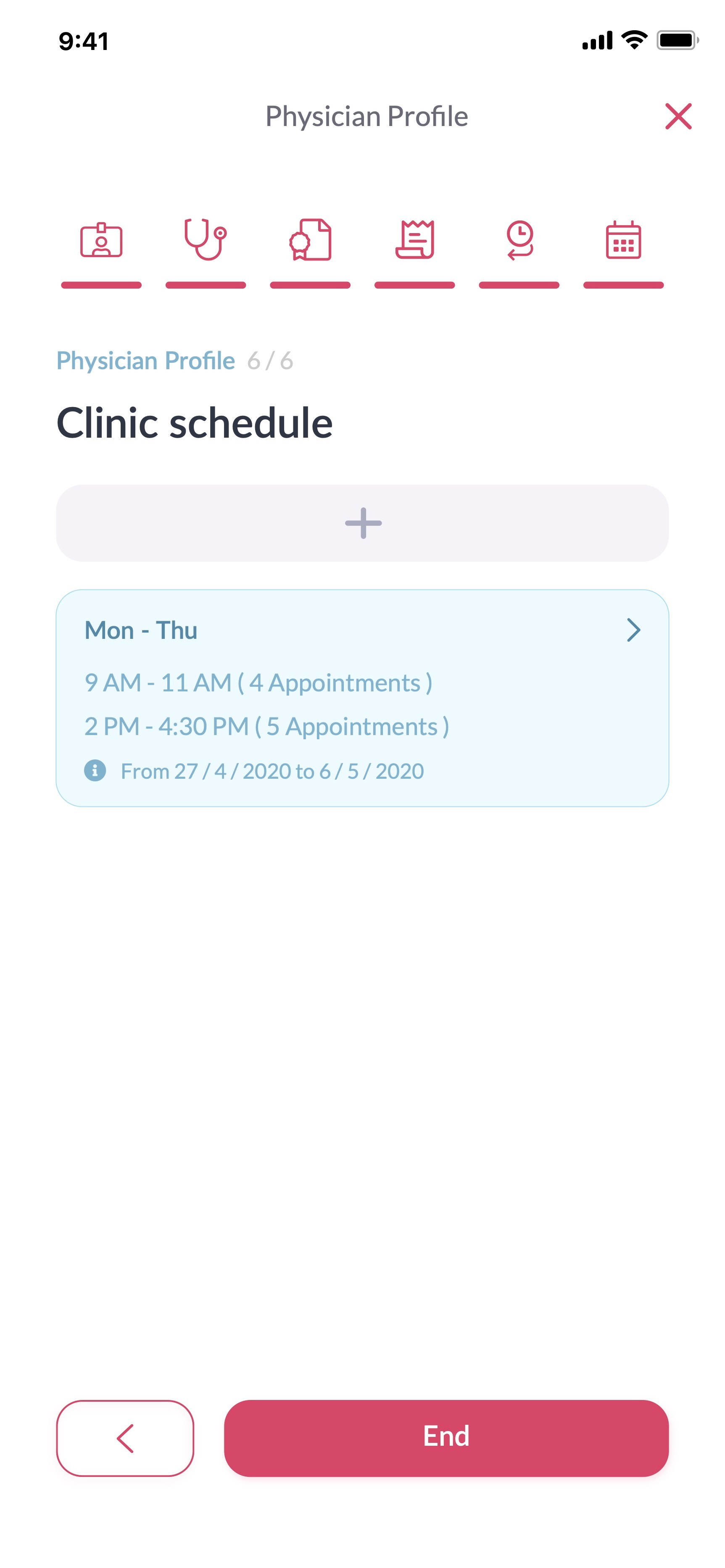
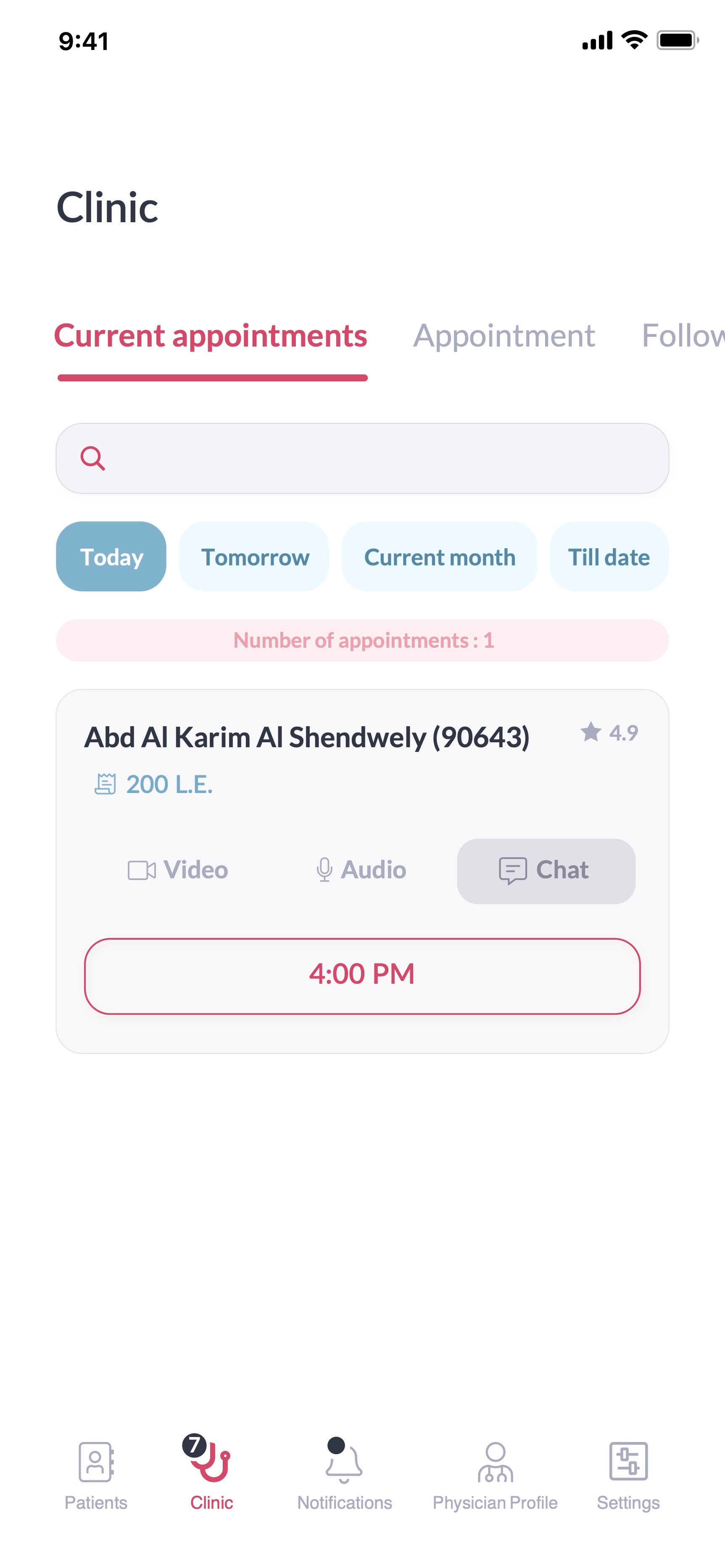
In 2019, I joined a Telehealth startup to lead the design of a new mobile-first healthcare app, Klnk. The goal was to create a platform that allowed patients to book and conduct virtual consultations with doctors, manage follow-ups, and build a detailed medical record, all within a single app. At the time, there were few user-friendly telemedicine options in our market, and the company aimed to address this gap.
Crafting Seamless Care Journeys
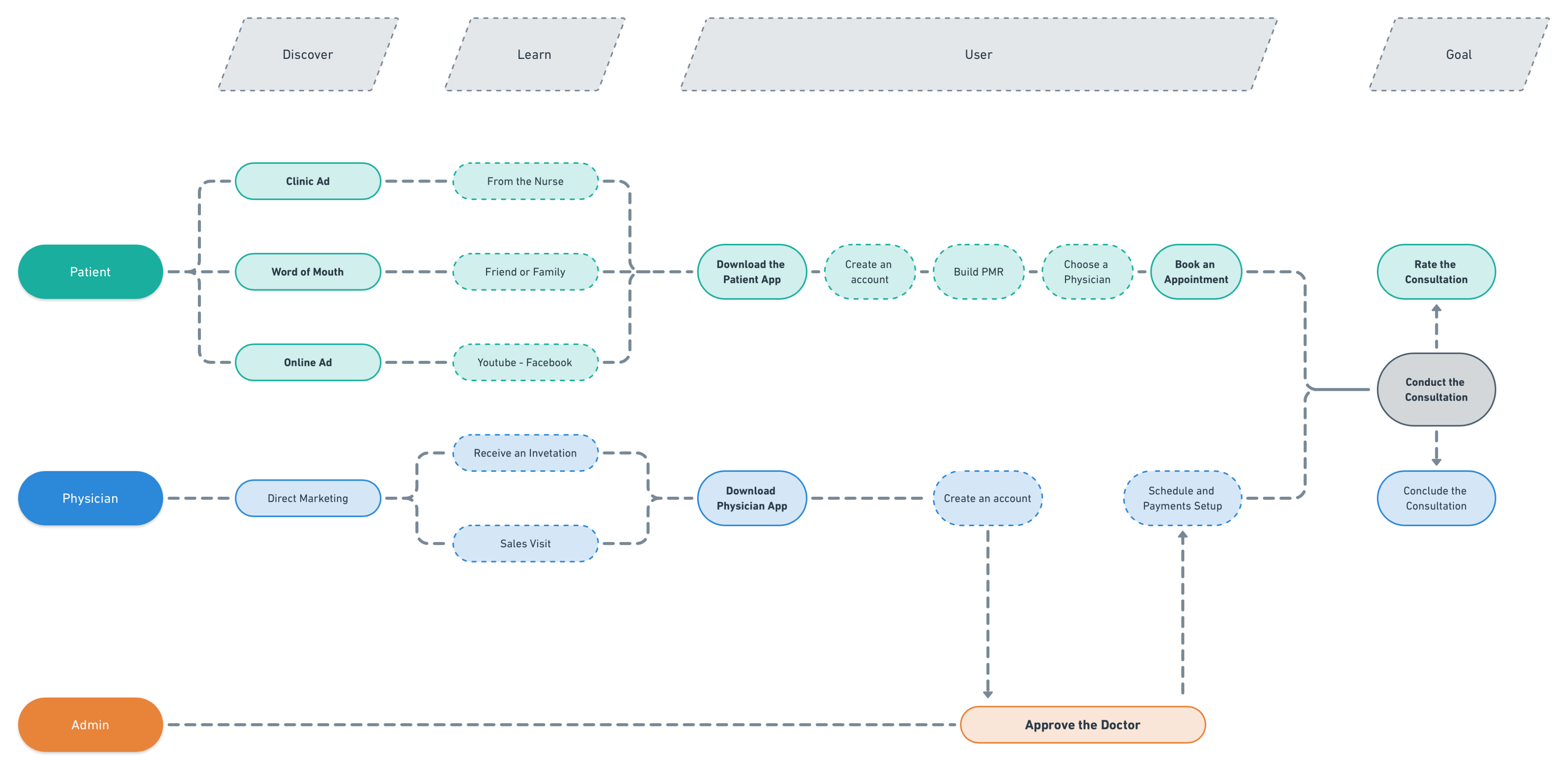
My responsibility was to design the end-to-end user experience for both patients and physicians, ensuring:
- A seamless flow from registration to consultation
- High user trust and security for sensitive health data
- Localization and accessibility for Arabic-speaking users
- A modular system to scale across specialties (e.g., Pediatrics, ENT, Dermatology)
User Research & Journey Mapping
Mapping Pain Points into Opportunities
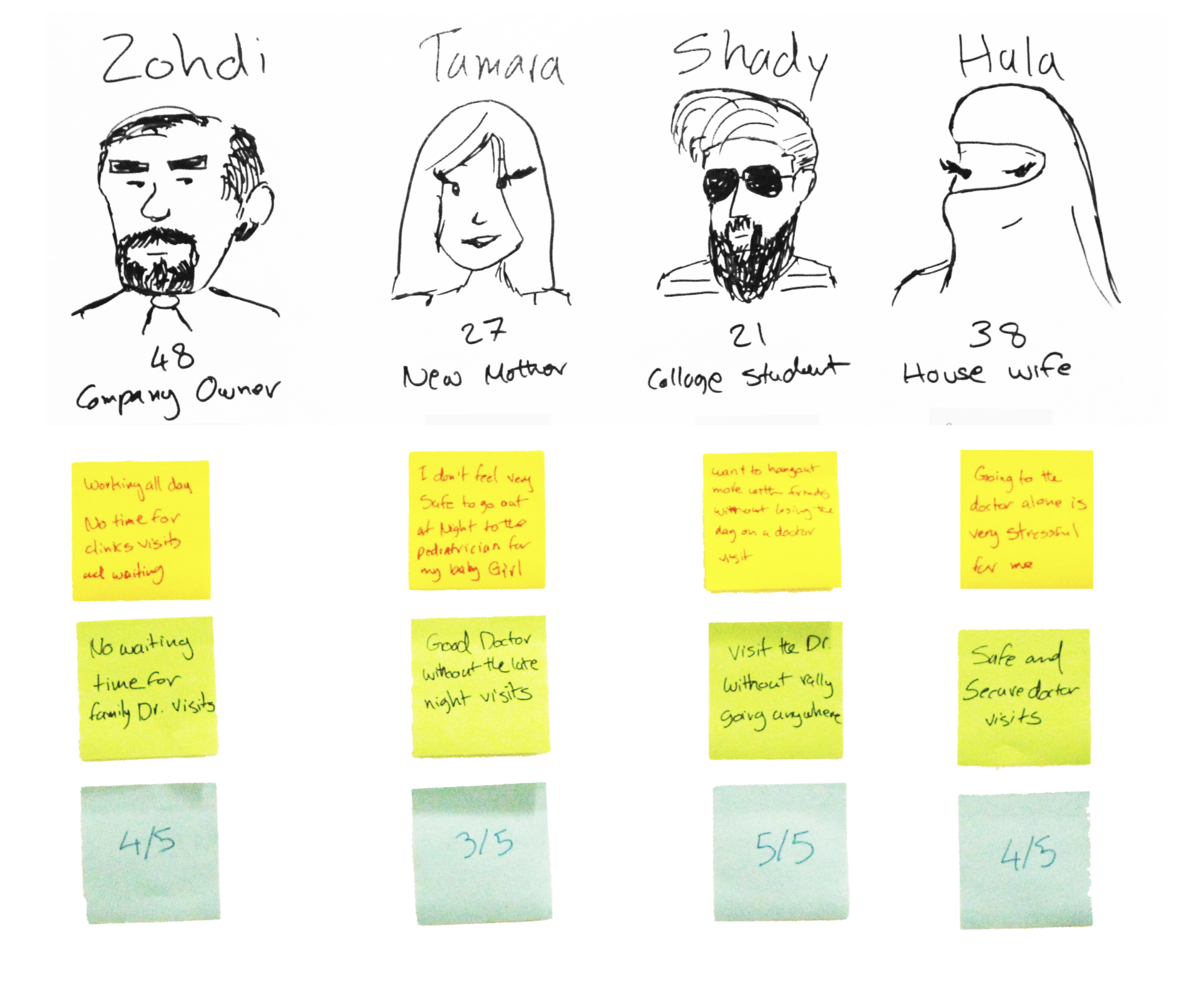
I led research with patients and physicians to understand pain points in booking, follow-ups, and communication. Key insights included:
- Patients wanted simpler appointment flows and reassurance around payment.
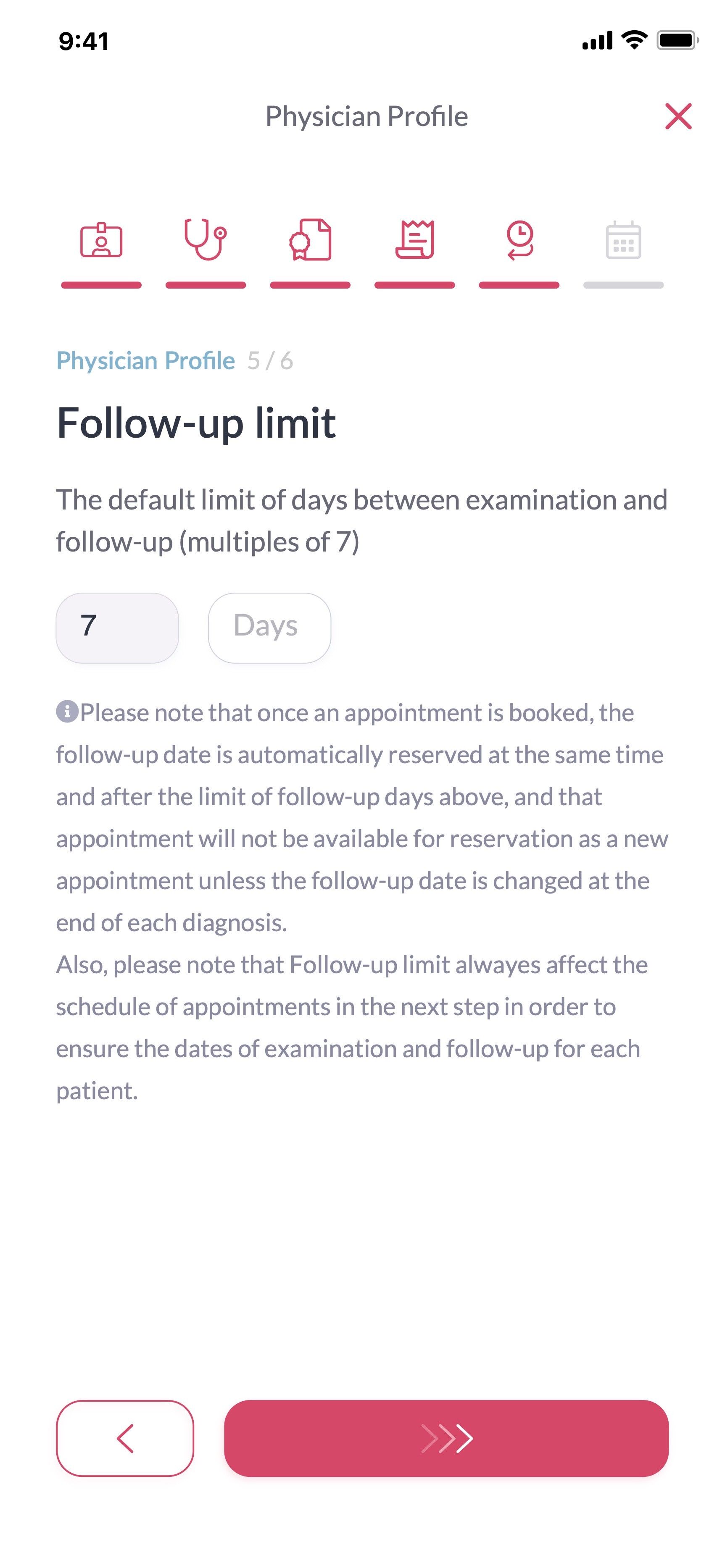
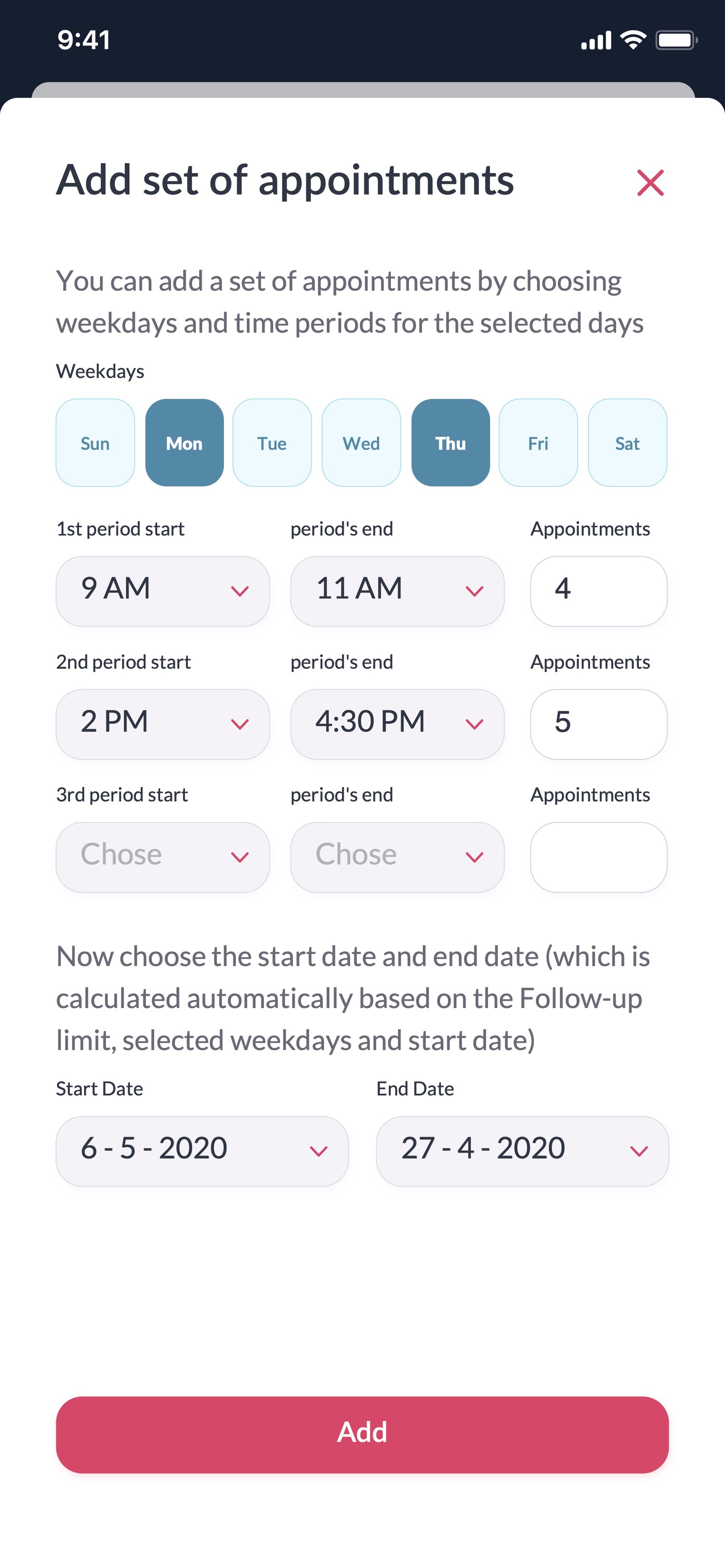
- Doctors needed a structured way to manage follow-ups and share treatment plans.
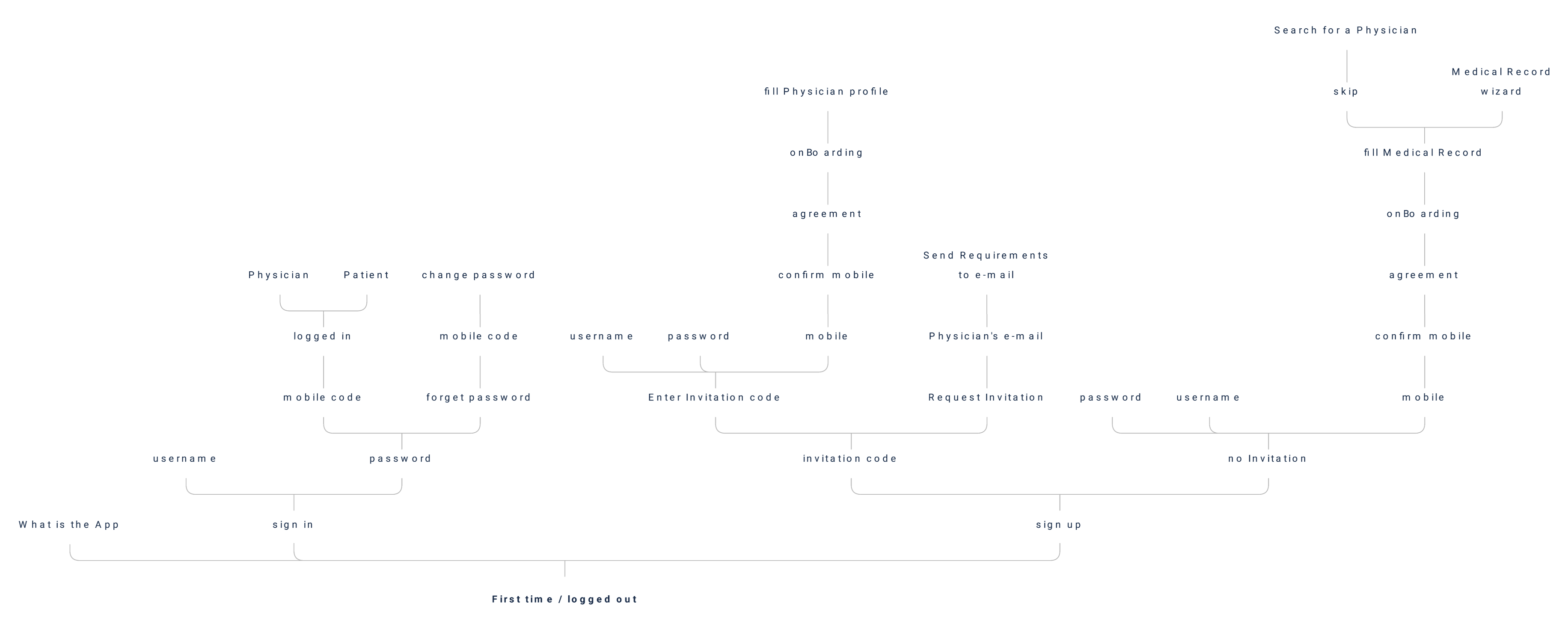
UX Design & Flow Optimization
Optimizing the Journey for Clarity and Care
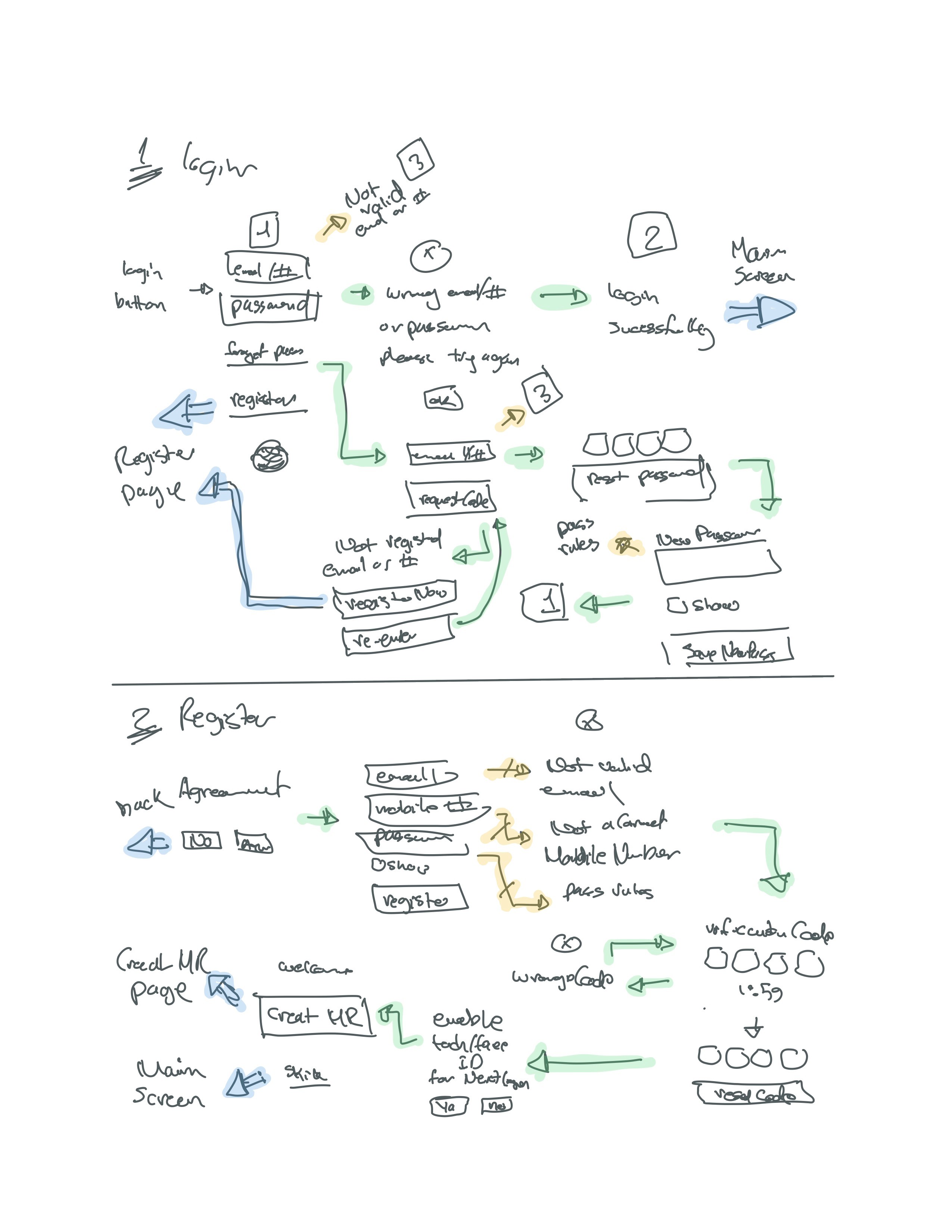
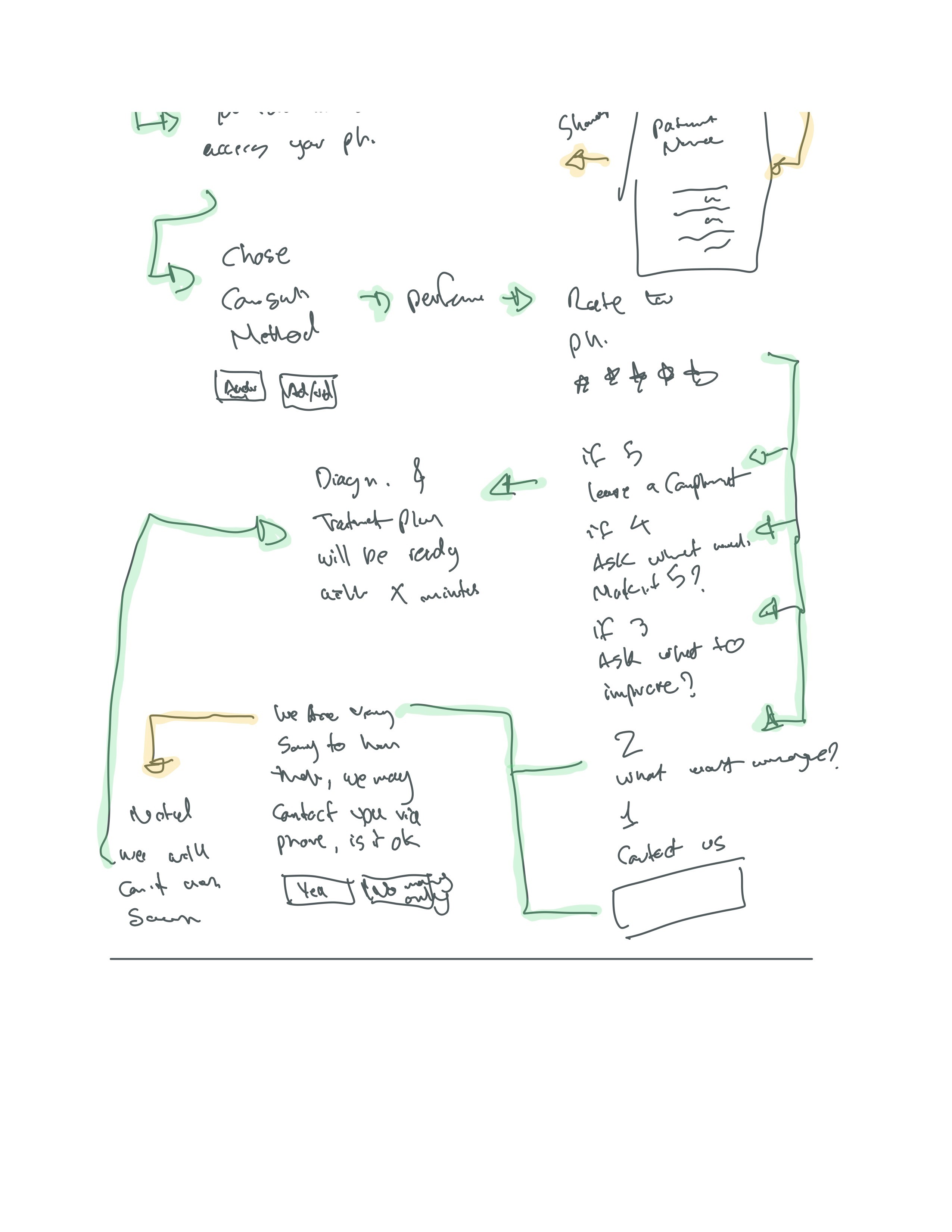

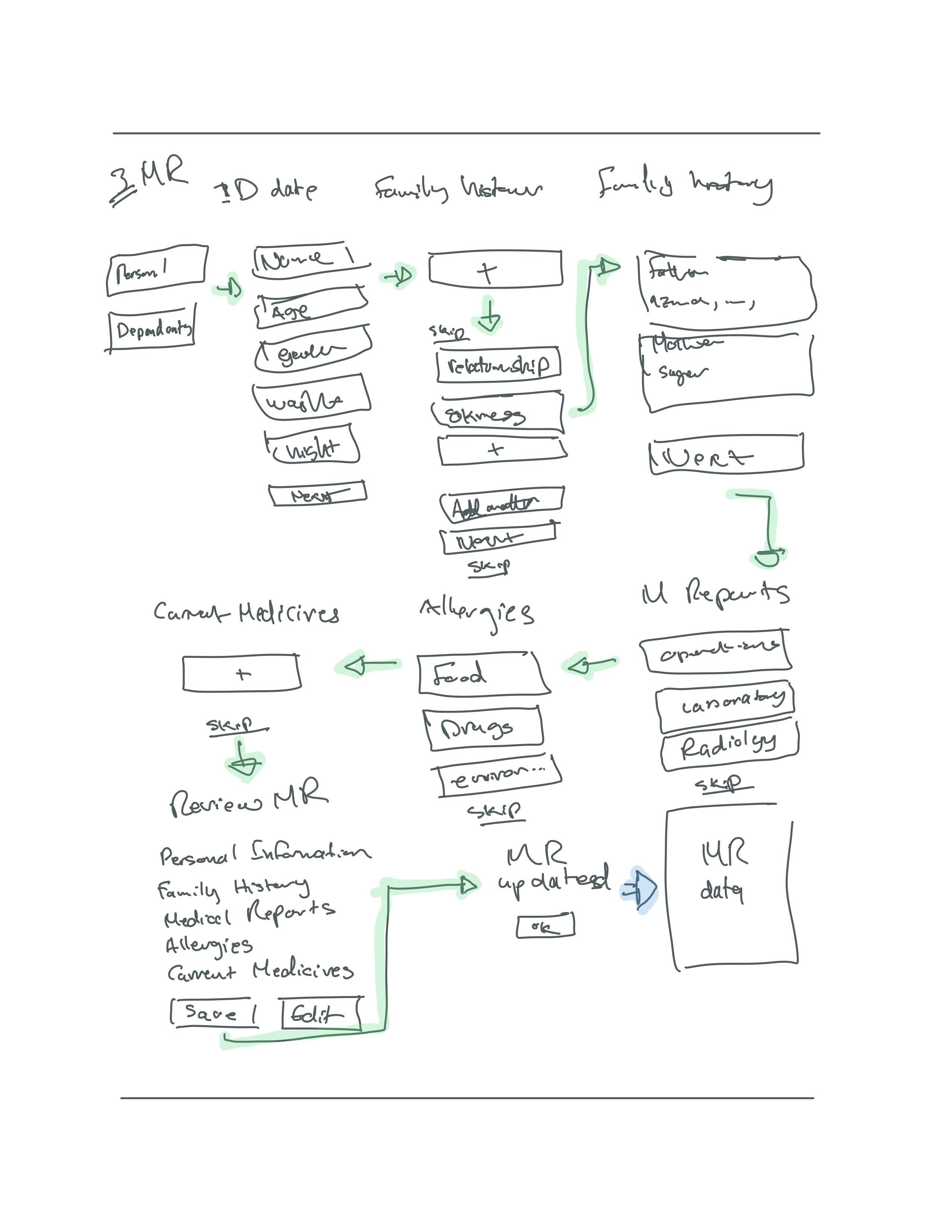
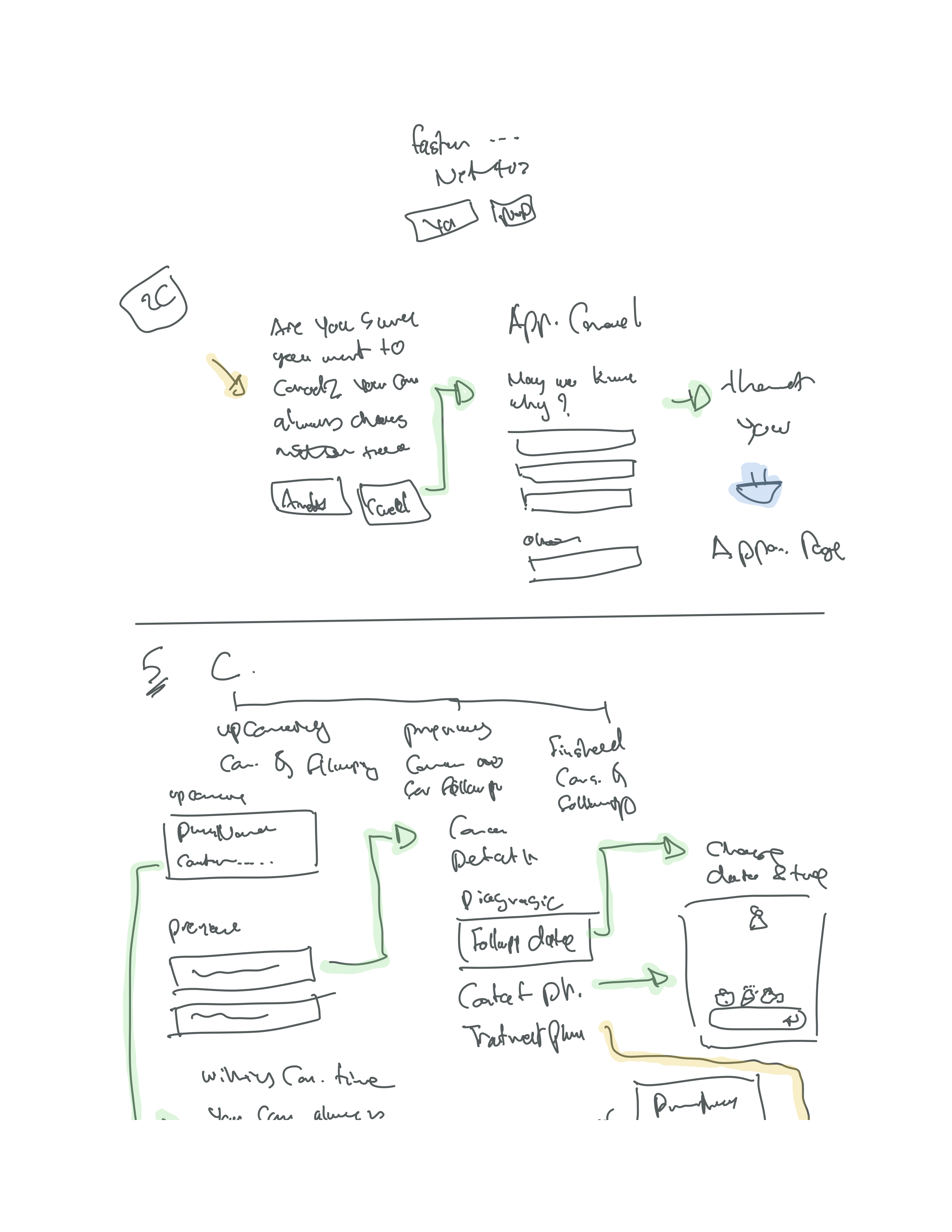
I designed flows covering:
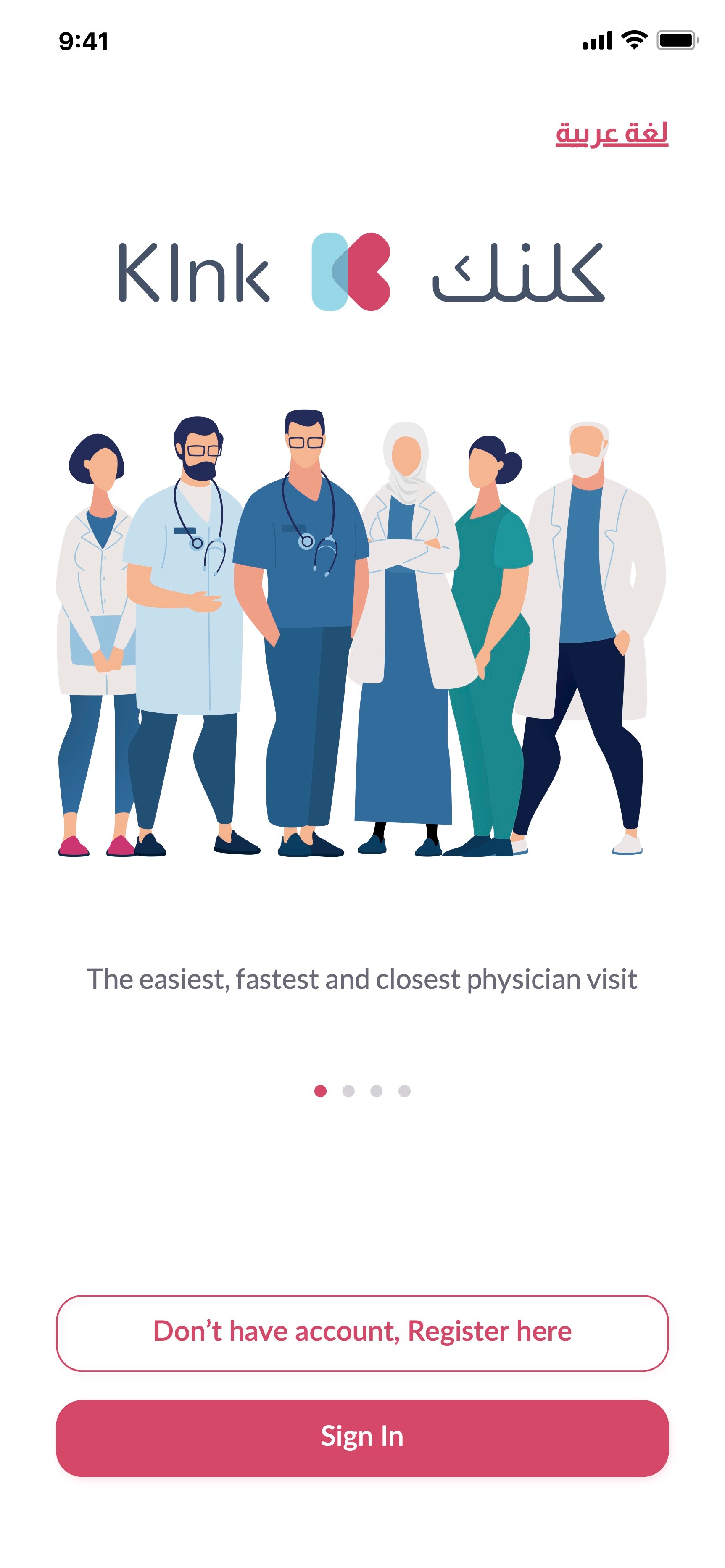
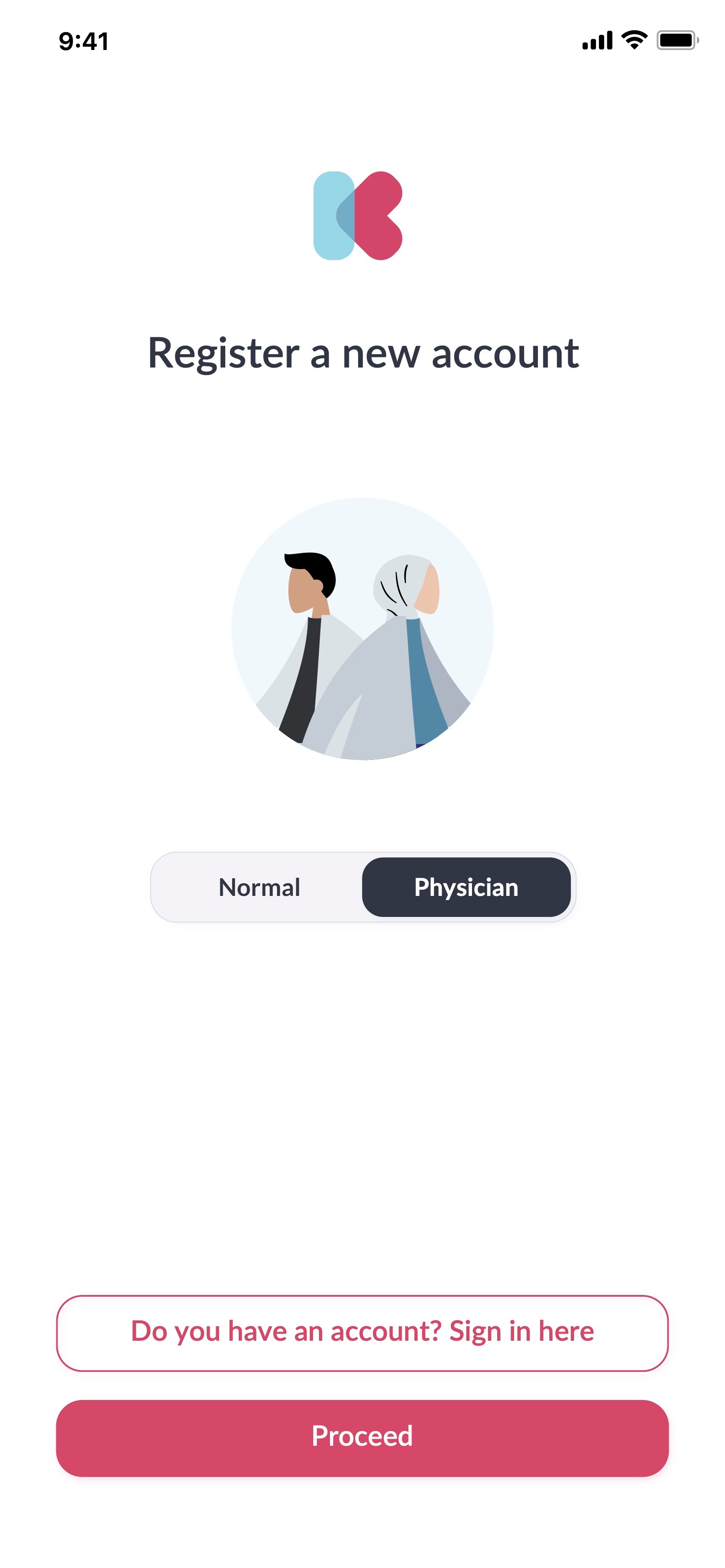
- Onboarding (email, Face ID, password recovery)
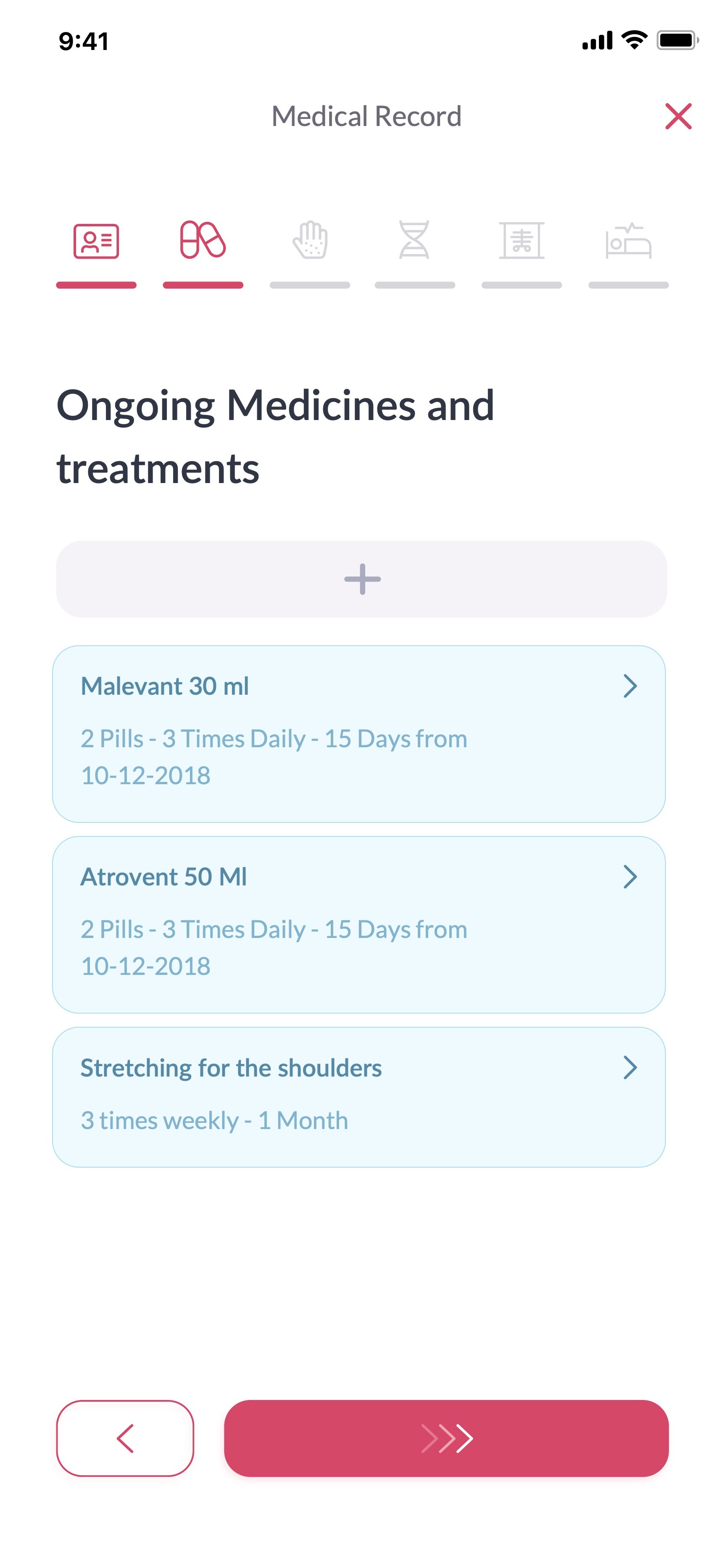
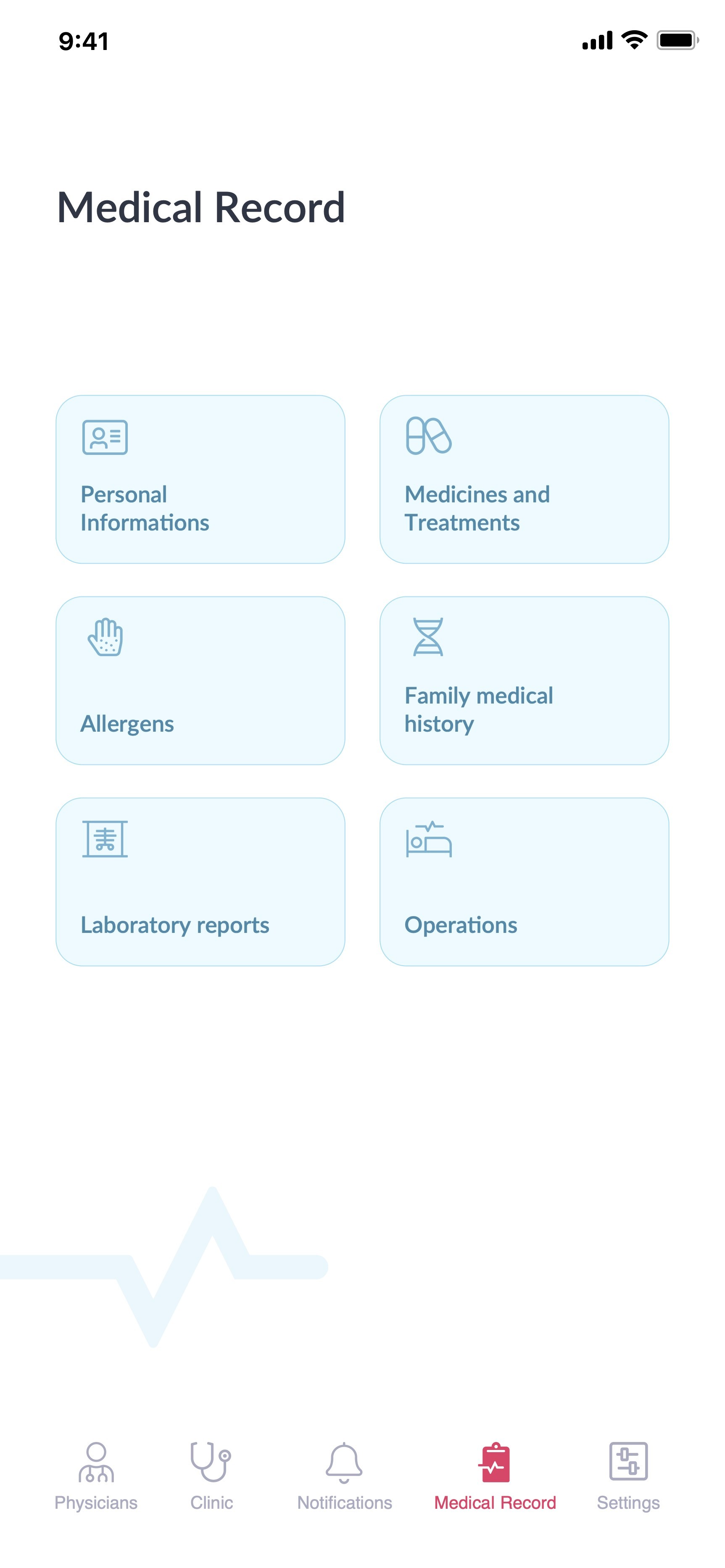
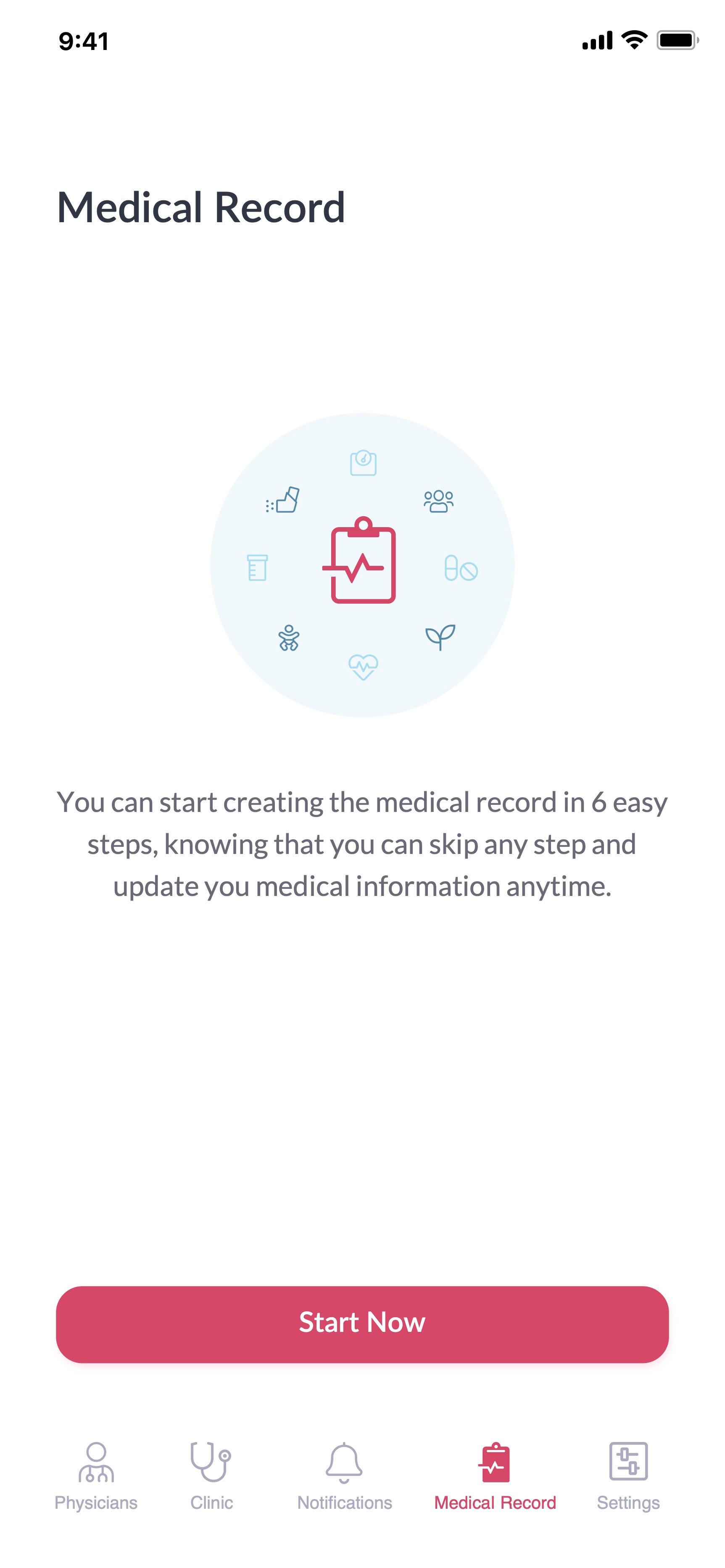
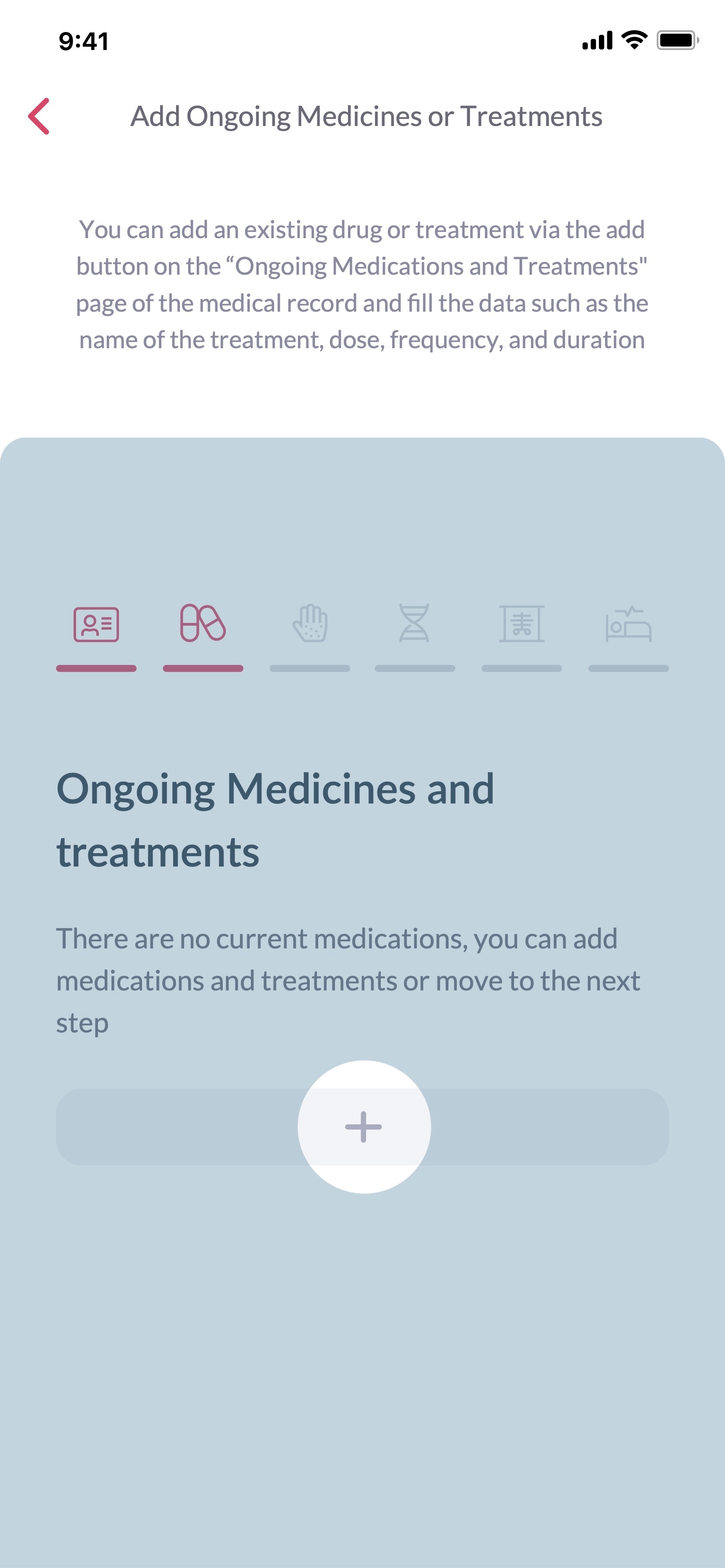
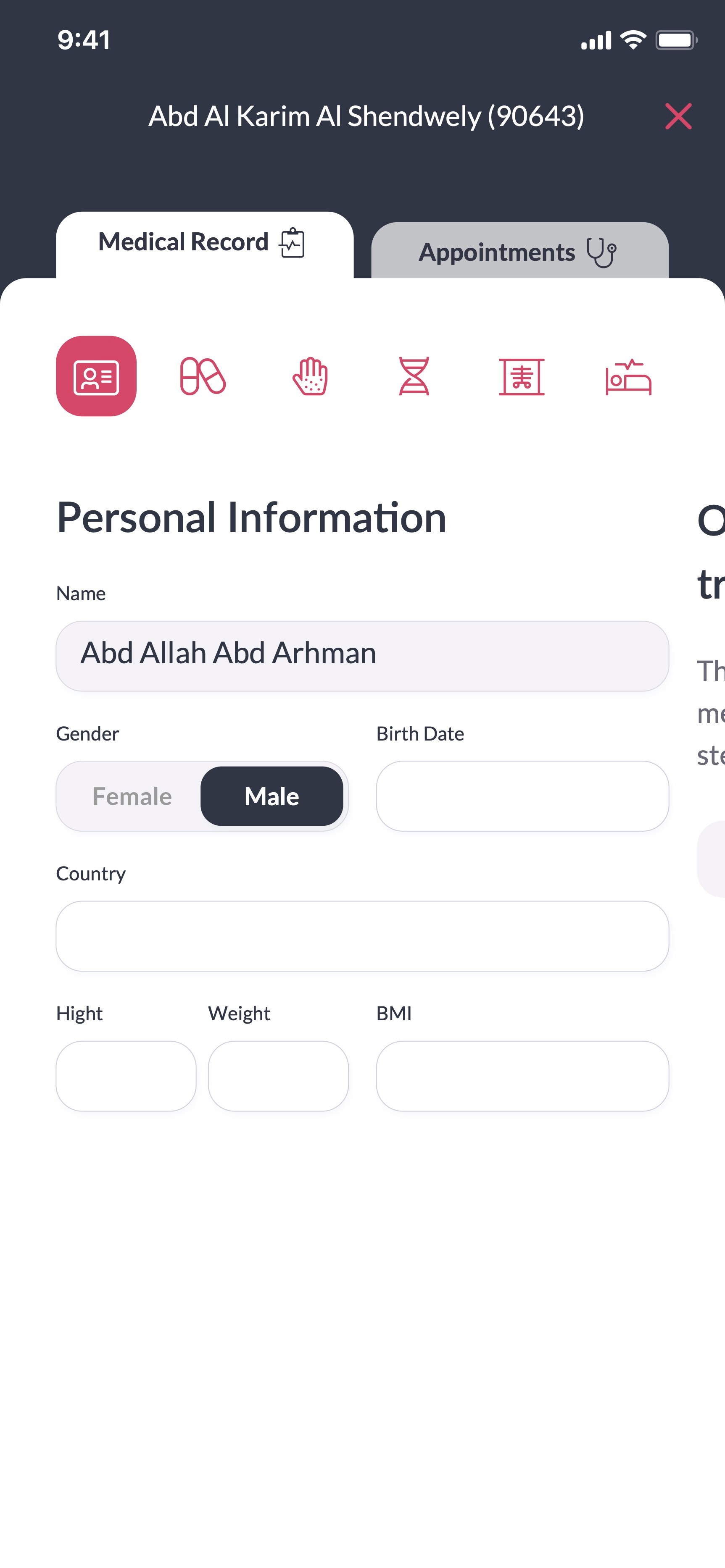
- Medical record creation (6-step process including allergies, medications, family history)
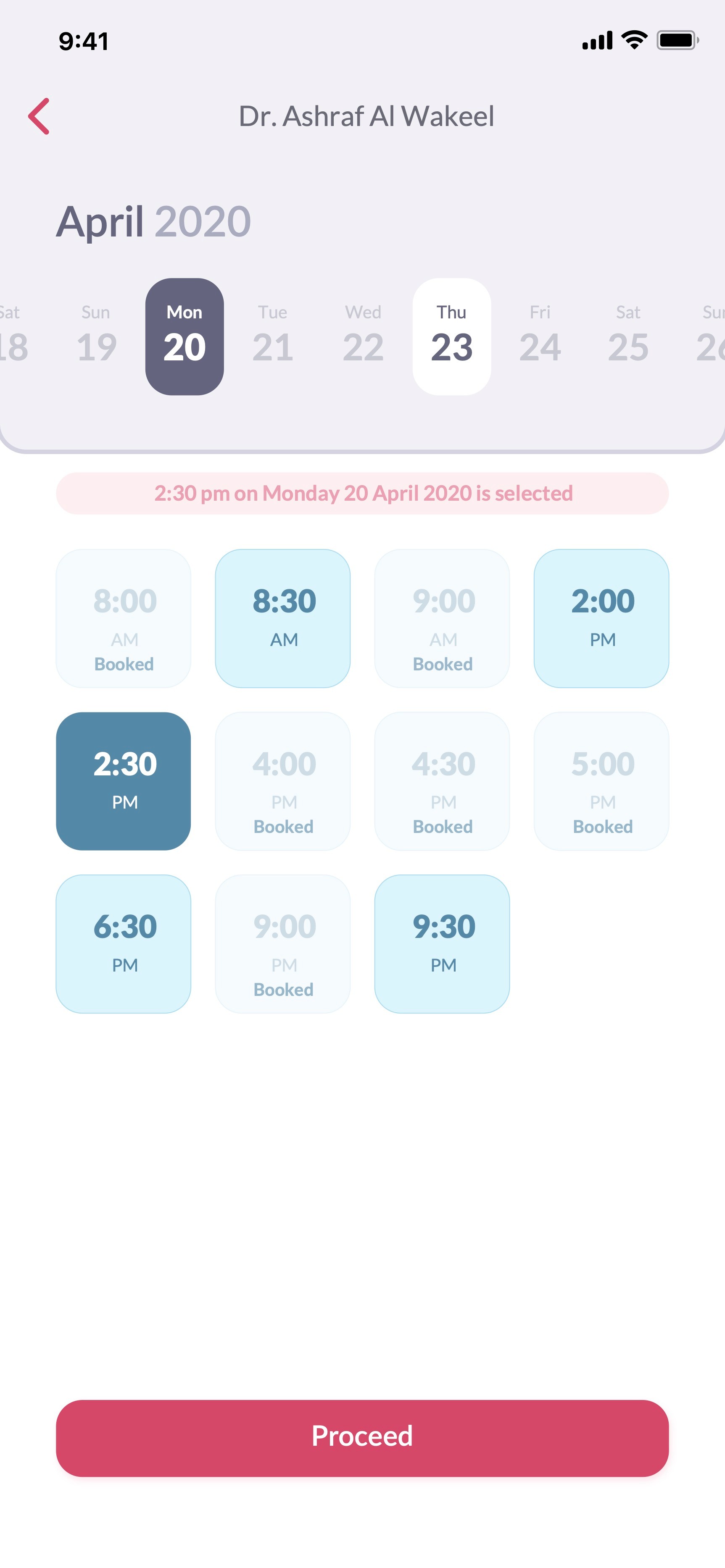
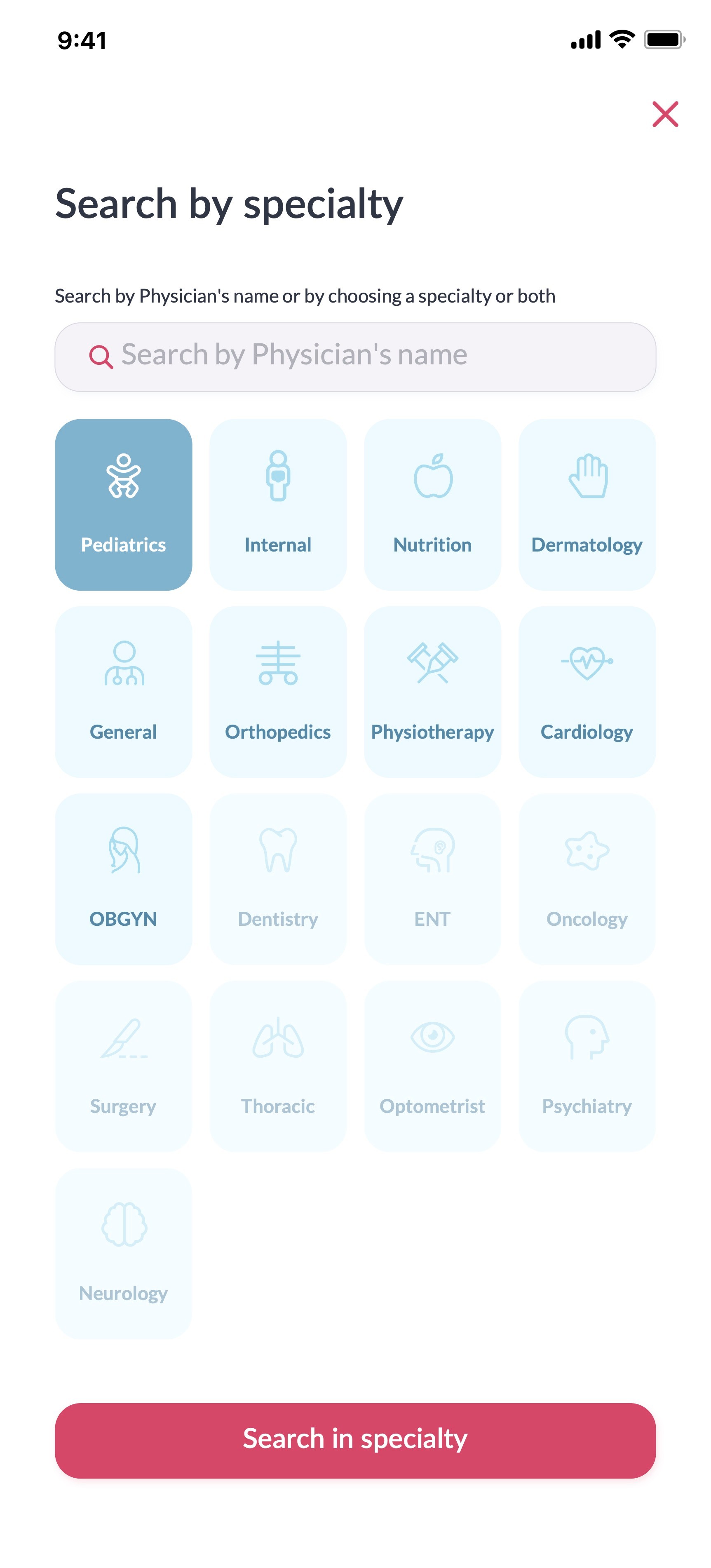
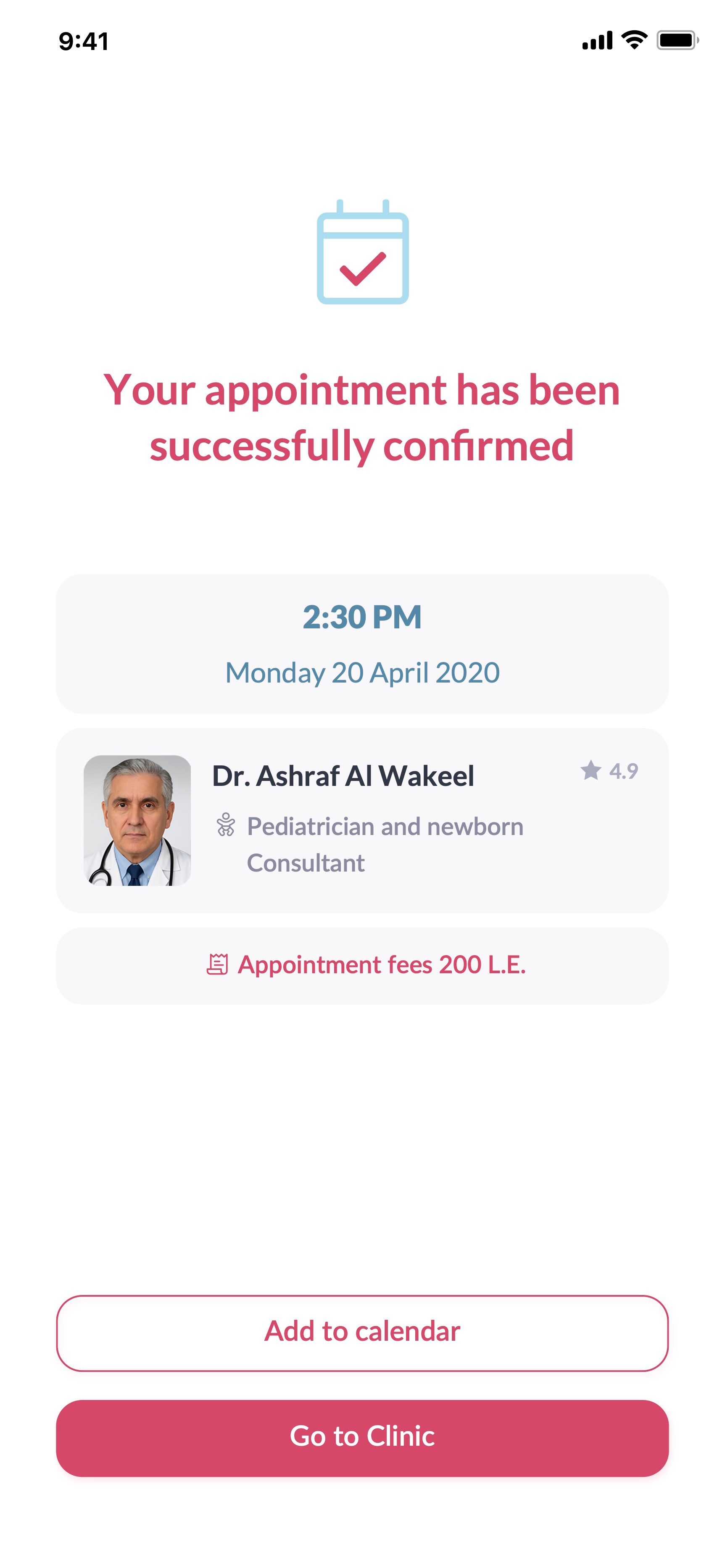
- Booking experience (search by specialty, doctor profile, calendar selection, payment)
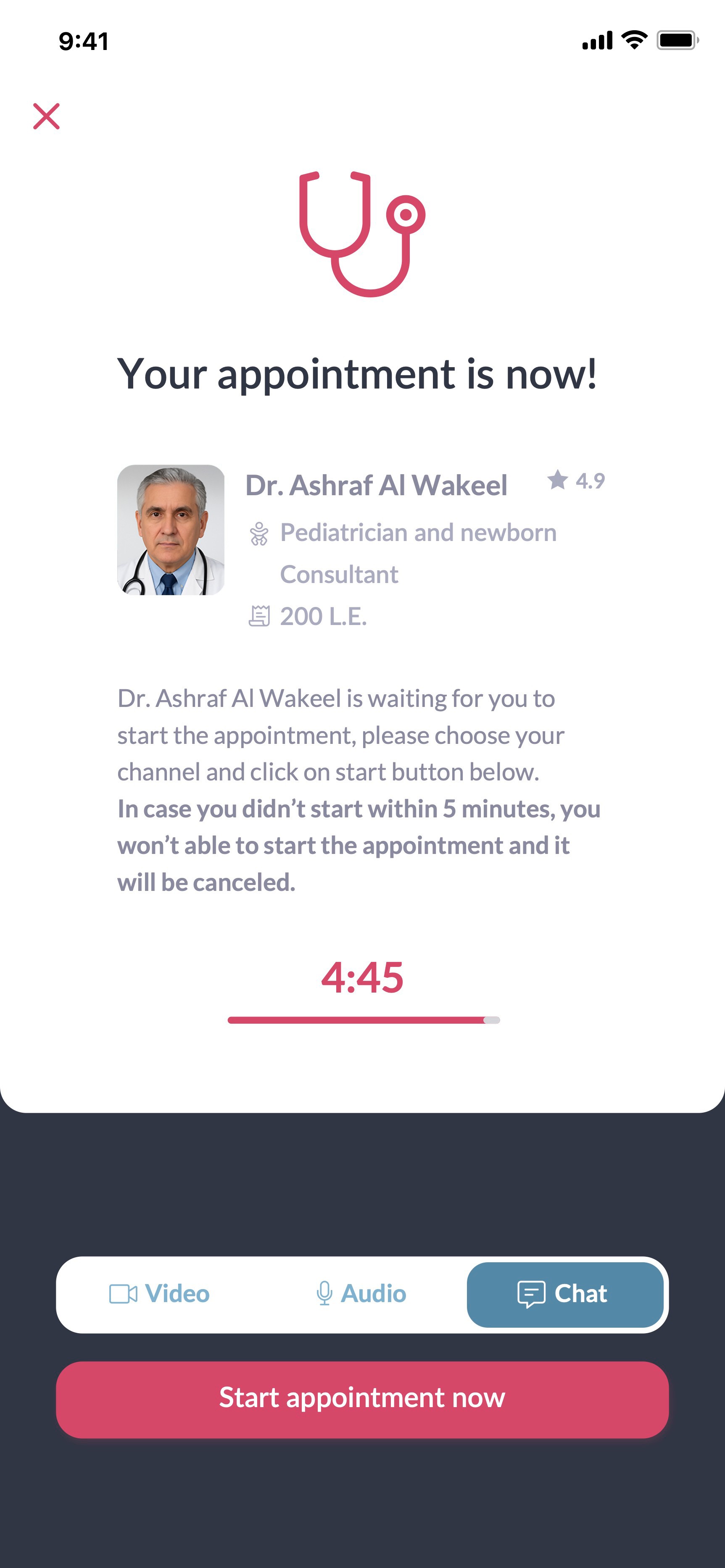
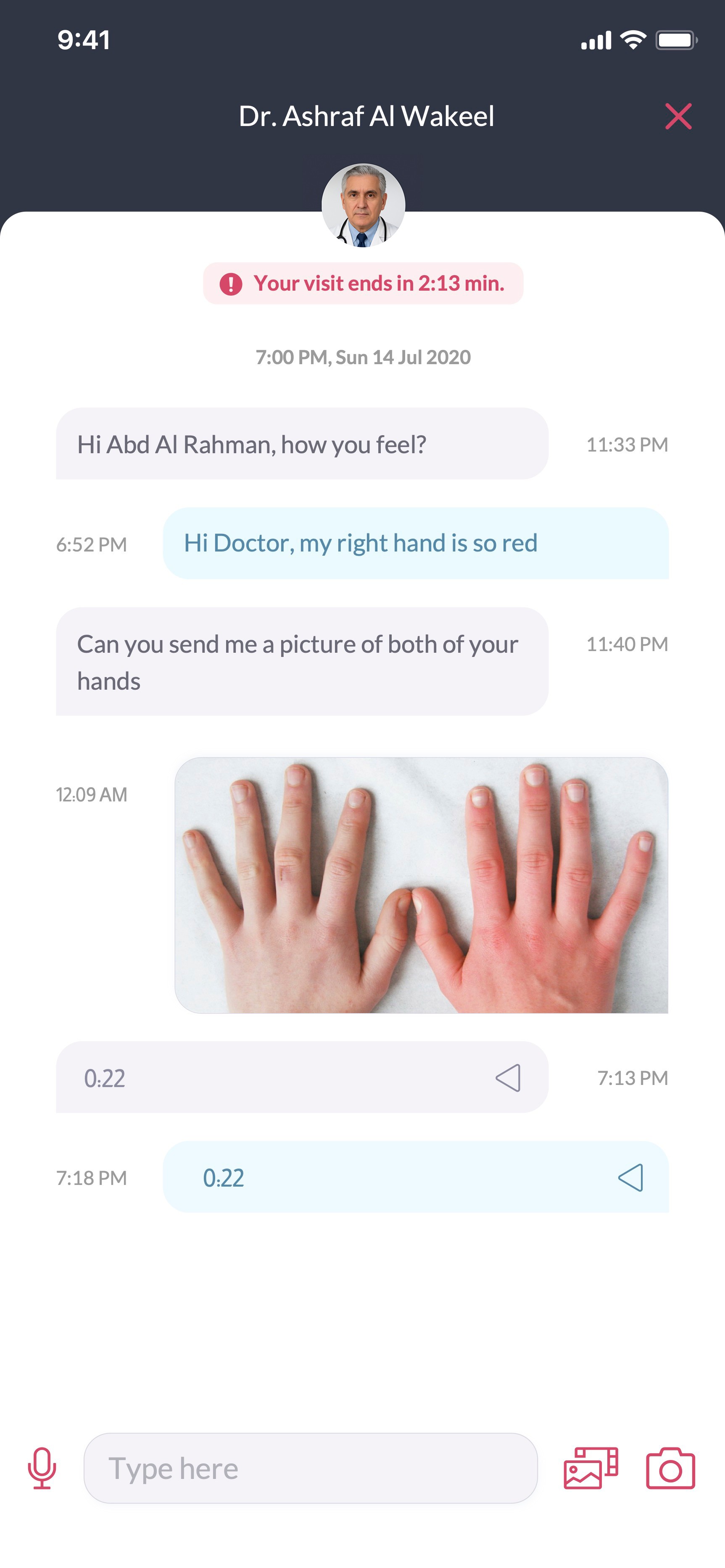
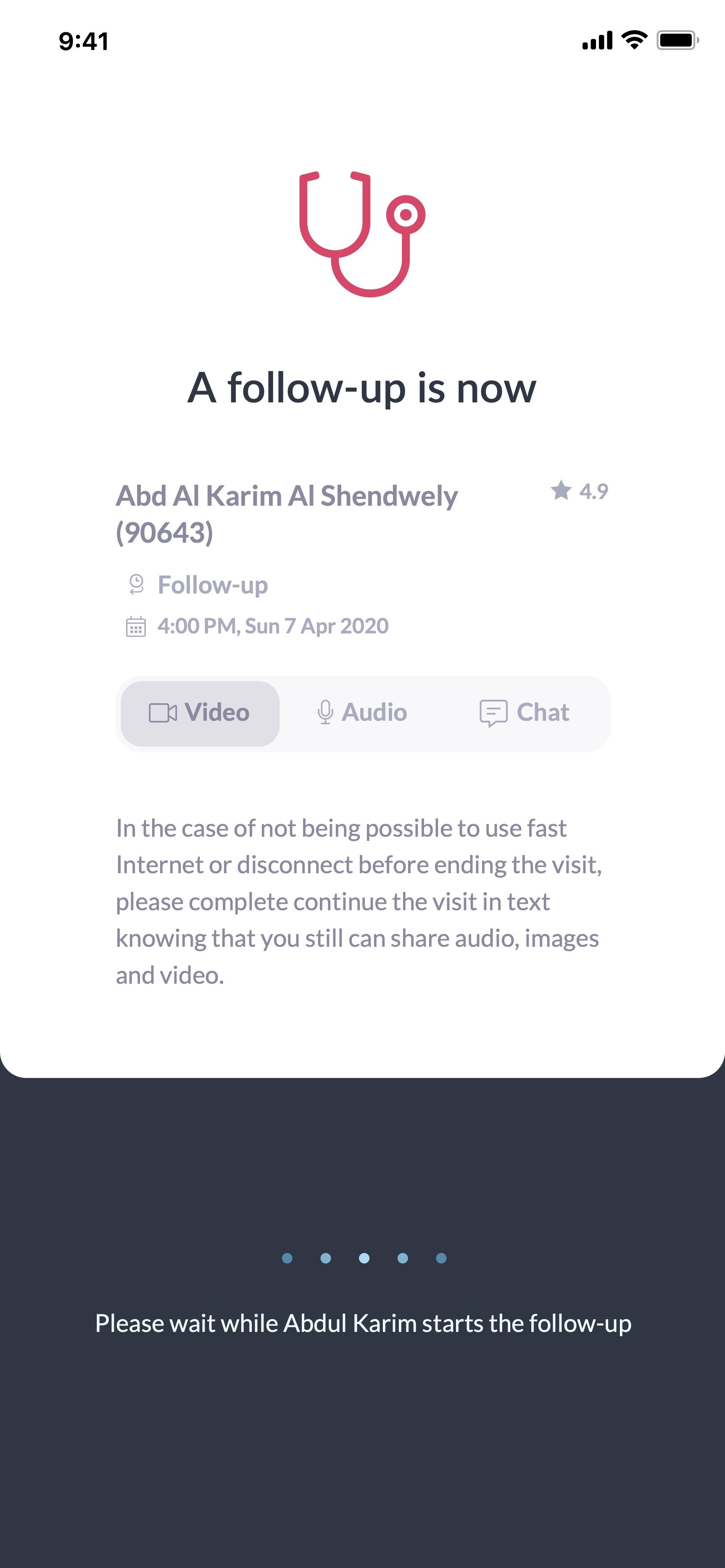
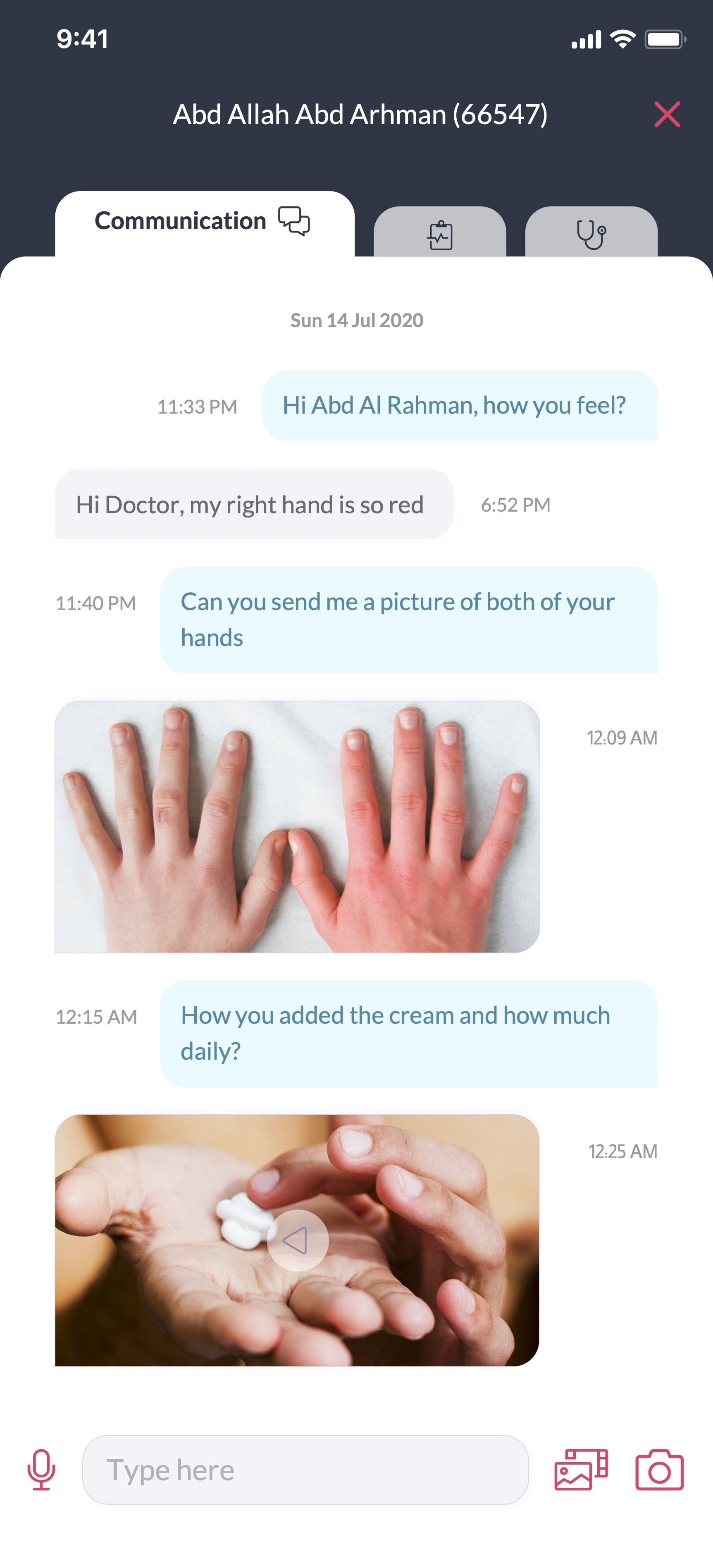
- Real-time virtual visits (chat/audio/video)
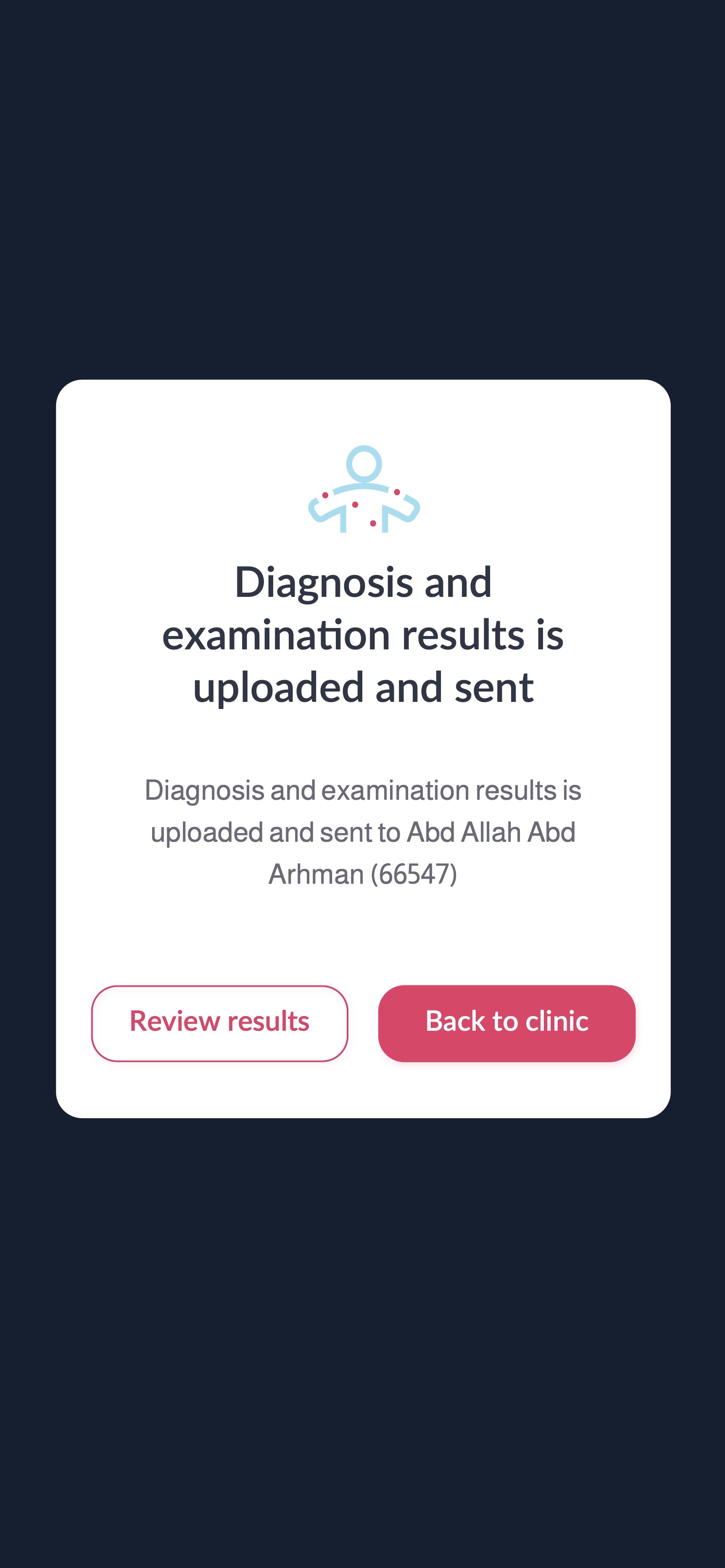
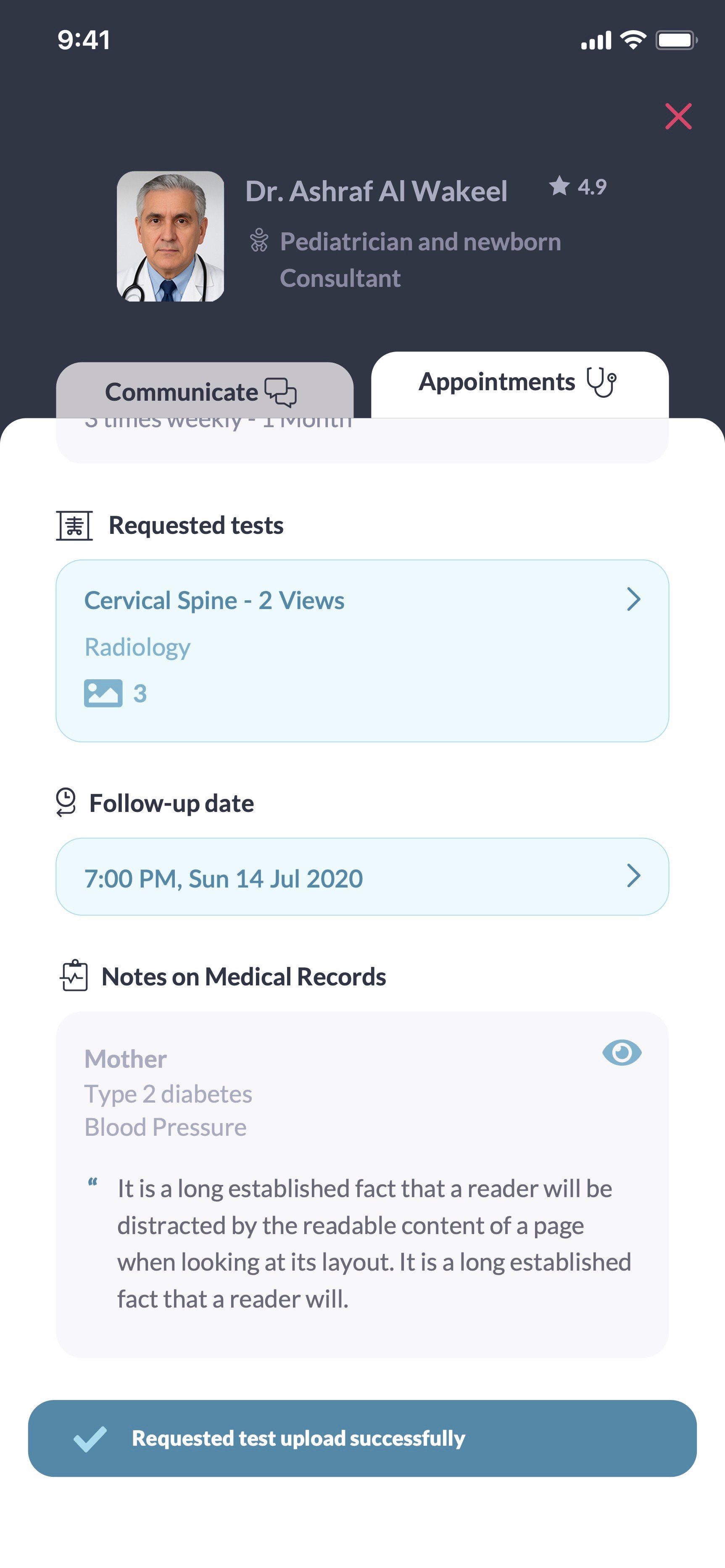
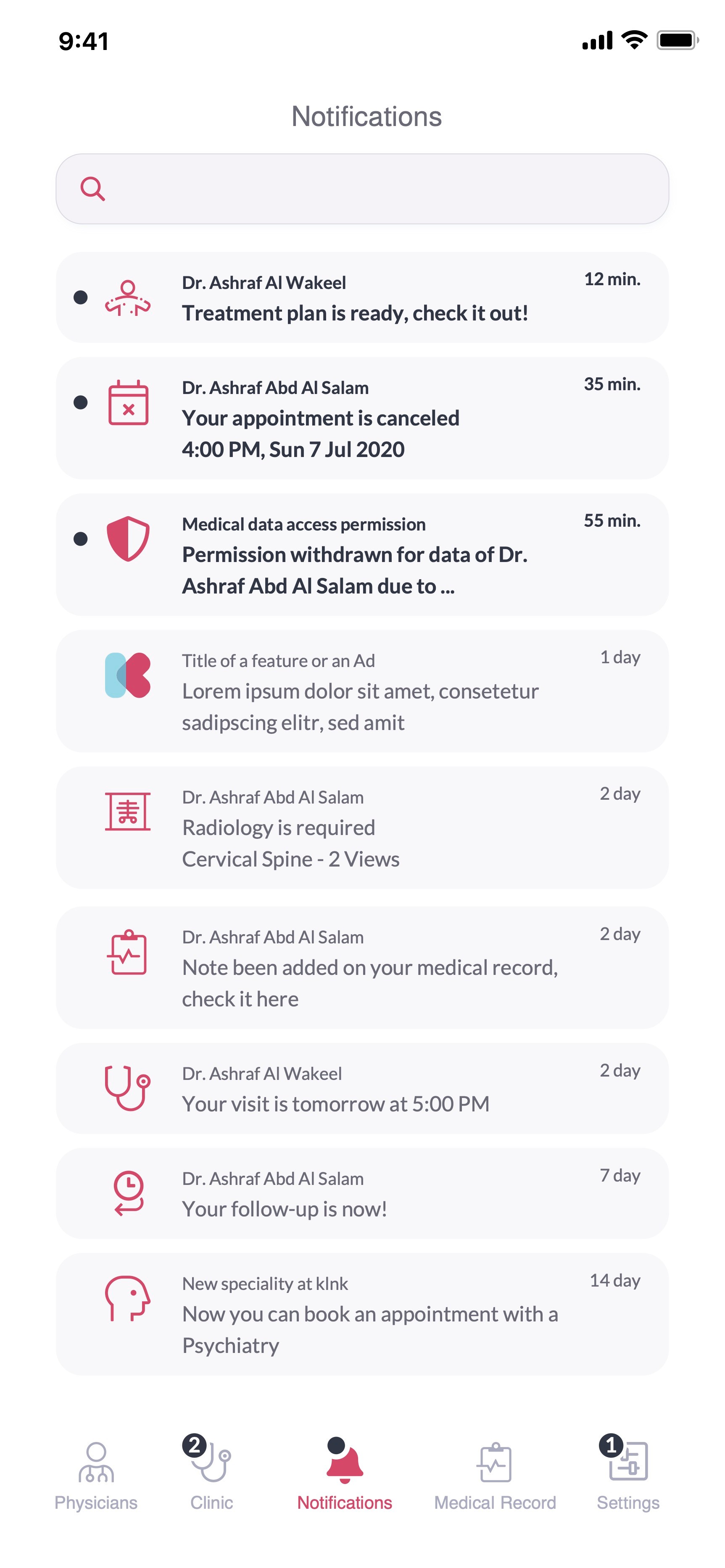
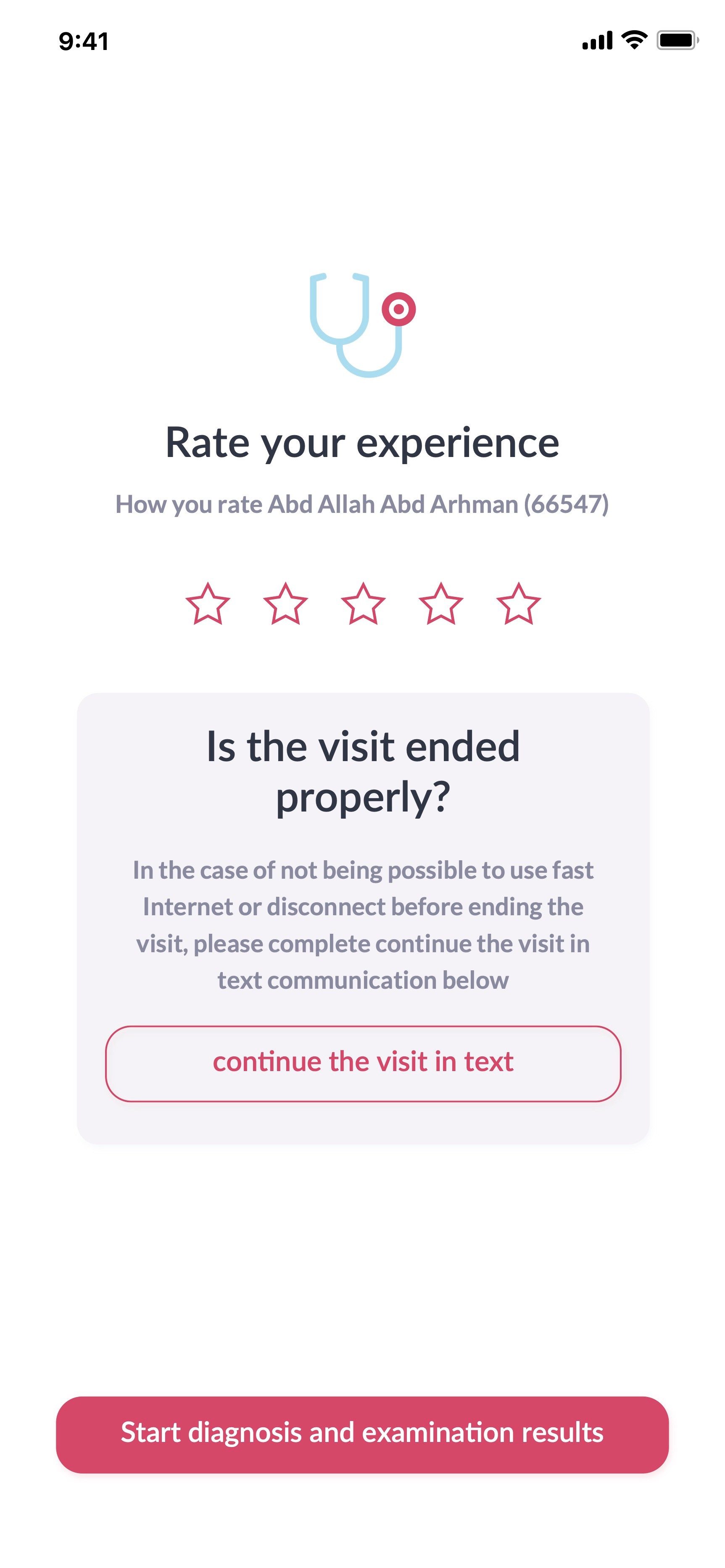
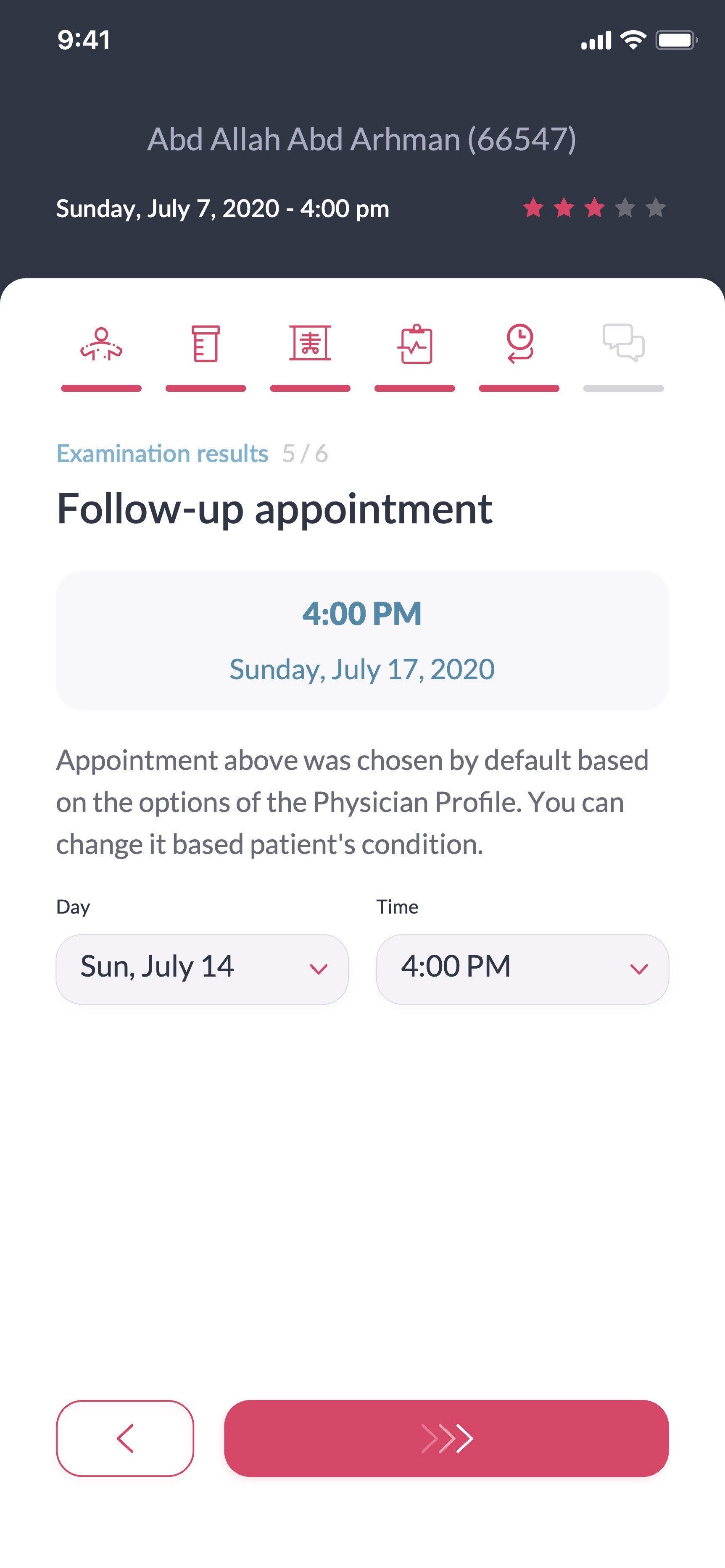
- Post-visit communication and treatment tracking
Visual Design
Calm, Clear, and Consistent Visual System
Iteration & Testing
Validating with Users, Delivering with Impact
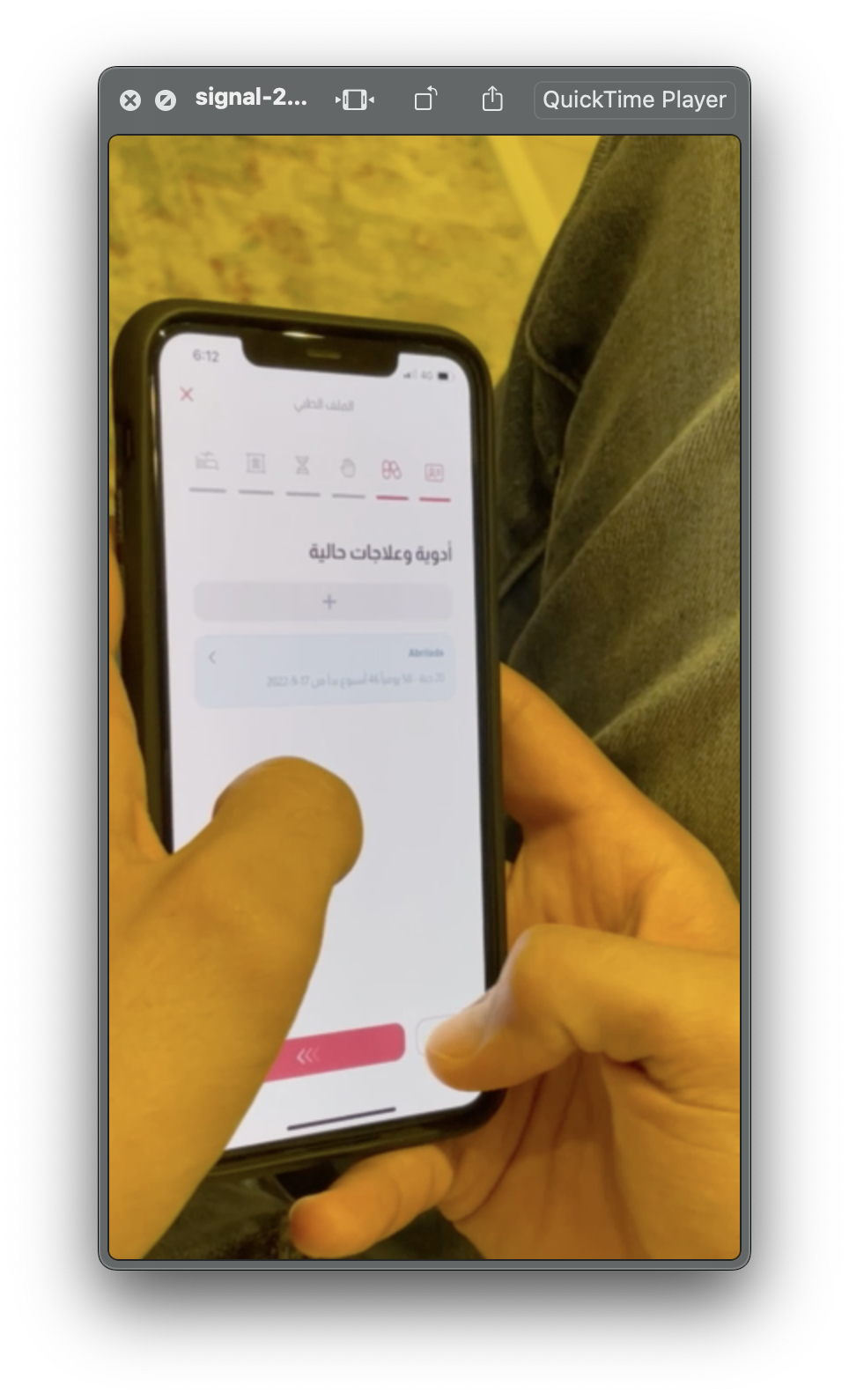
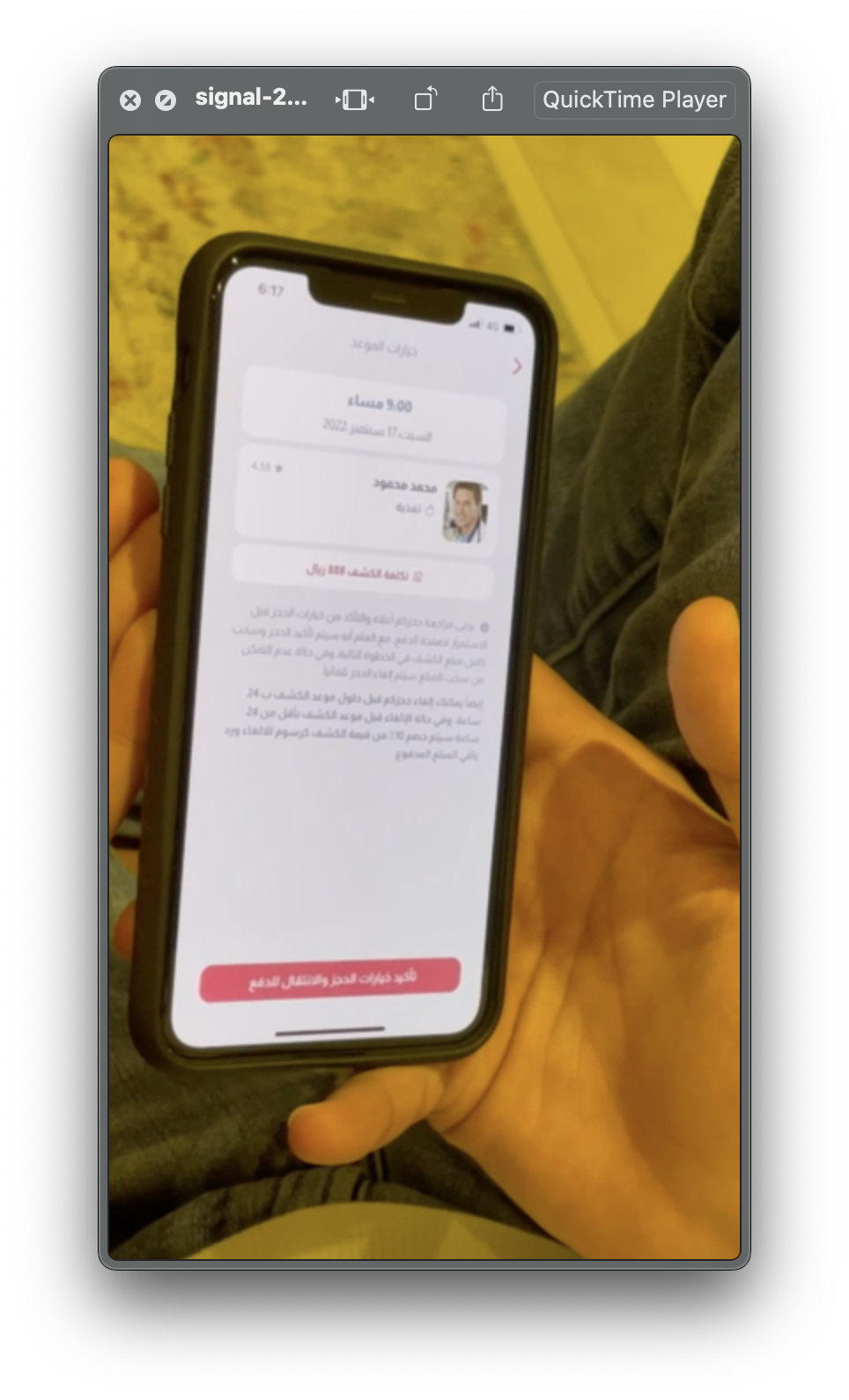
- Conducted usability testing and iterated key flows (especially around booking and cancellation policies).
- Worked closely with devs to adjust for both RTL and LTR layouts.
Qualitative metric
Designing for Trust, Delivering for Health
- Usability testing showed a 40% faster completion time for core tasks like booking and follow-ups compared to the initial prototypes.
- Over 80% of test participants rated the flows as clear and easy to use, especially for scheduling and medical record access.
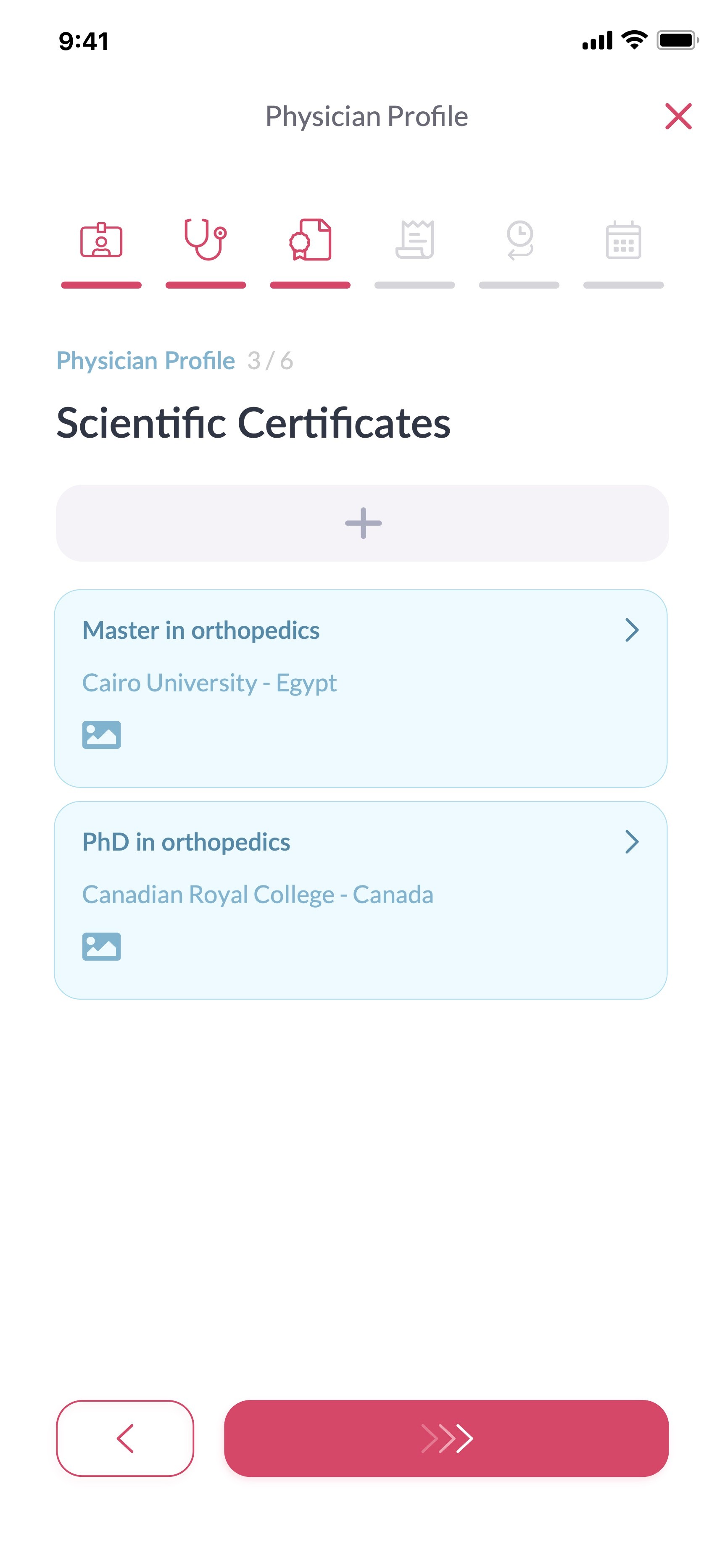
- Physicians in testing reported that the modular medical record and follow-up logic would reduce their manual tracking efforts significantly, particularly in pediatrics and orthopedics.
- During early COVID testing sessions, both patients and doctors highlighted the app’s potential to enable safe, contactless care when physical clinics were shut.
- Qualitative feedback emphasized trust, clarity, and convenience as the top perceived values of the design.
Other Showcases

Transforming
Ambassador, Safeer 2.0
© 2025 All rights reserved
Home
Visual Snapshots
Contact

Designing The Telehealth solution, Klnk
Why Telehealth, Why Now?
In 2019, I joined a Telehealth startup to lead the design of a new mobile-first healthcare app, Klnk. The goal was to create a platform that allowed patients to book and conduct virtual consultations with doctors, manage follow-ups, and build a detailed medical record, all within a single app. At the time, there were few user-friendly telemedicine options in our market, and the company aimed to address this gap.
Crafting Seamless Care Journeys
My responsibility was to design the end-to-end user experience for both patients and physicians, ensuring:
- A seamless flow from registration to consultation
- High user trust and security for sensitive health data
- Localization and accessibility for Arabic-speaking users
- A modular system to scale across specialties (e.g., Pediatrics, ENT, Dermatology)
User Research & Journey Mapping
Mapping Pain Points into Opportunities
I led research with patients and physicians to understand pain points in booking, follow-ups, and communication. Key insights included:
- Patients wanted simpler appointment flows and reassurance around payment.
- Doctors needed a structured way to manage follow-ups and share treatment plans.
UX Design & Flow Optimization
Optimizing the Journey for Clarity and Care
I designed flows covering:
- Onboarding (email, Face ID, password recovery)
- Medical record creation (6-step process including allergies, medications, family history)
- Booking experience (search by specialty, doctor profile, calendar selection, payment)
- Real-time virtual visits (chat/audio/video)
- Post-visit communication and treatment tracking
Visual Design
Calm, Clear, and Consistent Visual System
Iteration & Testing
Validating with Users, Delivering with Impact
- Conducted usability testing and iterated key flows (especially around booking and cancellation policies).
- Worked closely with devs to adjust for both RTL and LTR layouts.
Qualitative metric
Designing for Trust, Delivering for Health
- Usability testing showed a 40% faster completion time for core tasks like booking and follow-ups compared to the initial prototypes.
- Over 80% of test participants rated the flows as clear and easy to use, especially for scheduling and medical record access.
- Physicians in testing reported that the modular medical record and follow-up logic would reduce their manual tracking efforts significantly, particularly in pediatrics and orthopedics.
- During early COVID testing sessions, both patients and doctors highlighted the app’s potential to enable safe, contactless care when physical clinics were shut.
- Qualitative feedback emphasized trust, clarity, and convenience as the top perceived values of the design.
Other Showcases

Transforming
Ambassador, Safeer 2.0
Home
Visual Snapshots
Contact
© 2025 All rights reserved
Home
Visual Snapshots
Contact

Designing The Telehealth solution, Klnk
Why Telehealth, Why Now?
In 2019, I joined a Telehealth startup to lead the design of a new mobile-first healthcare app, Klnk. The goal was to create a platform that allowed patients to book and conduct virtual consultations with doctors, manage follow-ups, and build a detailed medical record, all within a single app. At the time, there were few user-friendly telemedicine options in our market, and the company aimed to address this gap.
Crafting Seamless Care Journeys
My responsibility was to design the end-to-end user experience for both patients and physicians, ensuring:
- A seamless flow from registration to consultation
- High user trust and security for sensitive health data
- Localization and accessibility for Arabic-speaking users
- A modular system to scale across specialties (e.g., Pediatrics, ENT, Dermatology)
User Research & Journey Mapping
Mapping Pain Points into Opportunities
I led research with patients and physicians to understand pain points in booking, follow-ups, and communication. Key insights included:
- Patients wanted simpler appointment flows and reassurance around payment.
- Doctors needed a structured way to manage follow-ups and share treatment plans.
UX Design & Flow Optimization
Optimizing the Journey for Clarity and Care
I designed flows covering:
- Onboarding (email, Face ID, password recovery)
- Medical record creation (6-step process including allergies, medications, family history)
- Booking experience (search by specialty, doctor profile, calendar selection, payment)
- Real-time virtual visits (chat/audio/video)
- Post-visit communication and treatment tracking
Visual Design
Calm, Clear, and Consistent Visual System
Iteration & Testing
Validating with Users, Delivering with Impact
- Conducted usability testing and iterated key flows (especially around booking and cancellation policies).
- Worked closely with devs to adjust for both RTL and LTR layouts.
Qualitative metric
Designing for Trust, Delivering for Health
- Usability testing showed a 40% faster completion time for core tasks like booking and follow-ups compared to the initial prototypes.
- Over 80% of test participants rated the flows as clear and easy to use, especially for scheduling and medical record access.
- Physicians in testing reported that the modular medical record and follow-up logic would reduce their manual tracking efforts significantly, particularly in pediatrics and orthopedics.
- During early COVID testing sessions, both patients and doctors highlighted the app’s potential to enable safe, contactless care when physical clinics were shut.
- Qualitative feedback emphasized trust, clarity, and convenience as the top perceived values of the design.
Other Showcases

Transforming
Ambassador, Safeer 2.0
Home
Visual Snapshots
Contact
© 2025 All rights reserved